Understanding High THC Weed Buds
As cannabis continues to evolve, one of the most sought-after features among consumers is high thc weed buds. These buds are prized for their potent effects, offering both medicinal and recreational benefits that have captured the interest of users worldwide. With an increasing number of strains boasting elevated THC levels, understanding what constitutes high THC, the chemistry behind it, and the popular varieties can significantly enhance your cannabis experience.
What Qualifies as High THC?
High THC cannabis generally refers to strains that contain more than 20% THC, the primary psychoactive compound in marijuana. While traditional strains may hover around 10-15% THC, advancements in breeding techniques have led to varieties pushing the envelope, with some exceeding 30% THC. This classification is fluid as growers continuously develop new strains and hybrids through selective breeding.
The Chemistry Behind THC Levels
THC, or tetrahydrocannabinol, interacts with the body's endocannabinoid system, primarily binding to CB1 receptors in the brain. This interaction is what produces the euphoric high experienced by consumers. The THC concentration in a bud is a result of several factors, including genetics, growing conditions, and harvest timing. Cannabis plants are also rich in a variety of other cannabinoids and terpenes, compounds that can influence both the potency and character of the experience.
Popular High THC Strains
- Bruce Banner: Known for its potent effects and fruity flavors, Bruce Banner often exceeds 25% THC, making it a favorite among cannabis enthusiasts seeking strength and flavor.
- Girl Scout Cookies: This hybrid strain is highly popular for its balanced effects and sweet, earthy taste, typically testing around 28% THC.
- Wedding Cake: As a newer strain, Wedding Cake offers a remarkable THC content of up to 30%, delivering a sweet, rich flavor profile.
Common Cultivation Mistakes
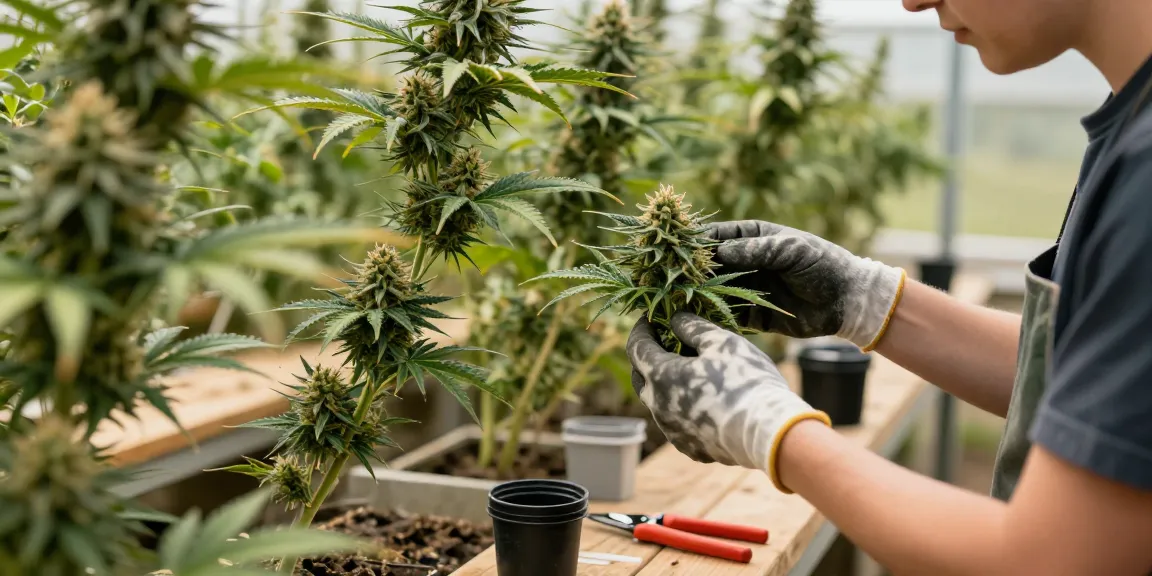
For growers looking to achieve high THC levels in their cannabis buds, understanding common cultivation mistakes is essential. Whether you're an amateur grower or a seasoned expert, being aware of potential pitfalls can help ensure a successful harvest.
Overwatering and Its Effects
One of the most prevalent mistakes in cannabis cultivation is overwatering. This can suffocate roots and stunt growth, ultimately leading to a less potent product. It is crucial to establish a watering schedule that considers your plant's specific needs, environmental conditions, and soil type.
Improper Nutrient Use
The correct nutrient balance is vital for achieving high THC levels. Over-fertilizing can lead to nutrient burn, while under-fertilizing may stunt growth. Using specialized cannabis nutrients and following guidelines for specific growth stages can significantly improve bud quality and potency.
Lighting Issues for Growth
Lighting is another critical factor in cannabis cultivation. Insufficient light can lead to weak, underdeveloped plants, while excessive lighting might cause heat stress. Growers should invest in high-quality grow lights and maintain appropriate distances between the light source and plants to ensure optimal growth.
Optimizing Growth Environment
Creating the right environment for cannabis growth is essential for maximizing THC levels. From temperature and humidity control to soil selection, various factors contribute to a successful grow.
Temperature and Humidity Control
Maintaining ideal temperature and humidity levels can directly influence THC production. Cannabis thrives in temperatures between 70°F and 85°F during the day, with nighttime temperatures dropping slightly. Humidity levels should also be regulated, especially during the flowering stage, to prevent mold and mildew.
Choosing the Right Soil and Medium
Soil quality plays a vital role in nutrient absorption and plant health. Cannabis prefers well-draining soil rich in organic matter. Many growers use soil mixes designed specifically for cannabis cultivation, which often contain the right balance of nutrients and pH levels.
Using Technology for Monitoring
Advancements in technology have made it easier than ever to monitor grow conditions. From smart sensors that track moisture levels to automated systems that adjust lighting and ventilation, technology can enhance the growing process and contribute to higher THC levels.
Harvesting and Curing Tips
Even after optimal growth conditions, the harvesting and curing processes play a significant role in achieving high THC buds. Proper timing and techniques can significantly influence the overall quality of the final product.
When to Harvest for Maximum Potency
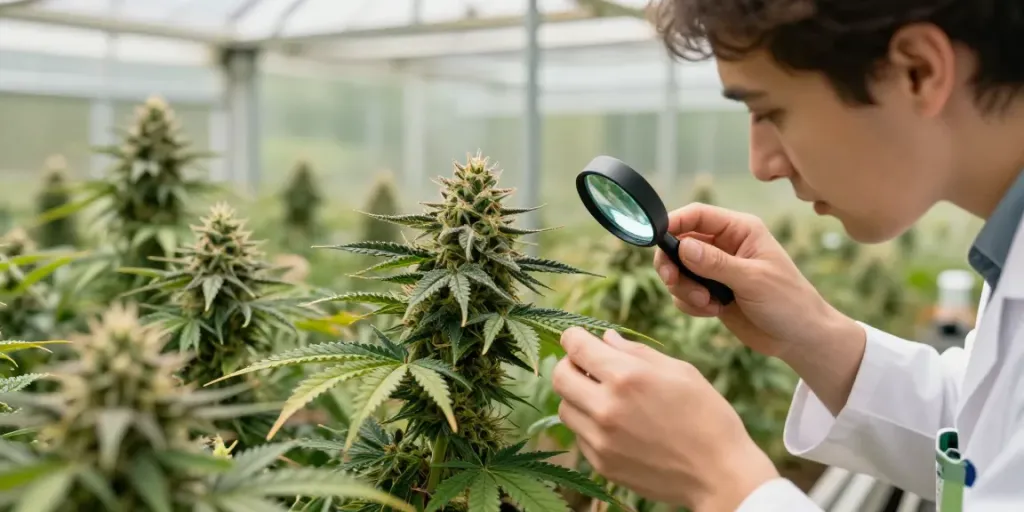
Determining the right time to harvest is crucial for maintaining high THC levels. Growers should observe the trichomes on the buds; harvesting when they turn milky white with some amber indicates peak potency. This timing allows the THC levels to be at their highest before the plant begins to degrade.
Proper Drying Techniques
After harvesting, drying the buds too quickly can result in harsh tasting cannabis. A slower drying process in a controlled environment helps retain flavor and potency. Aim for a temperature around 60-70°F and humidity levels of 45-55% during this phase.
Effective Curing Methods
Curing is an essential step that allows for the development of flavor and aroma. Store your dried buds in glass jars, opening them regularly to release moisture and allow for fresh air exchange. Proper curing can enhance the THC effects and overall quality of your cannabis.
Future Trends in Cannabis Cultivation
The cannabis industry is continually evolving, with new trends emerging every year that can impact cultivation methods and preferences.
Emerging High THC Strains for 2026
Looking ahead, breeders are experimenting with genetics to create strains that push THC limits even further, with some aiming for strains that could reach 40% THC. As interest in high THC cannabis grows, so does the innovation surrounding it.
Technological Advances in Cultivation
Automation, AI, and data analytics are playing an increasingly vital role in cannabis cultivation. These technologies enable growers to optimize their practices, leading to more efficient production and potentially higher THC levels.
Changing Regulations and Market Trends
As legalization continues to spread, the regulatory landscape is also shifting. Growers must stay informed about changes in legislation affecting cultivation practices and market demands, which can influence strain popularity and breeding focus.
Which THC buds have the highest THC content?
Currently, strains like "Godfather OG" are noted for their extremely high THC content, with some lab tests showing results upwards of 35%. Recognizing these high THC strains can help consumers make informed choices about their cannabis experiences.
What is a high THC level for buds?
Generally, buds containing 20% THC or more are considered high THC. Consumers should be aware of their tolerance levels and preferences when selecting strains.
Can weed reach 40% THC?
While some strains are approaching this threshold, reaching 40% THC in cannabis buds is not yet common. However, ongoing breeding efforts may soon yield strains with such high concentrations.