




Understanding CBD Oil and Its Composition
What is CBD Oil?
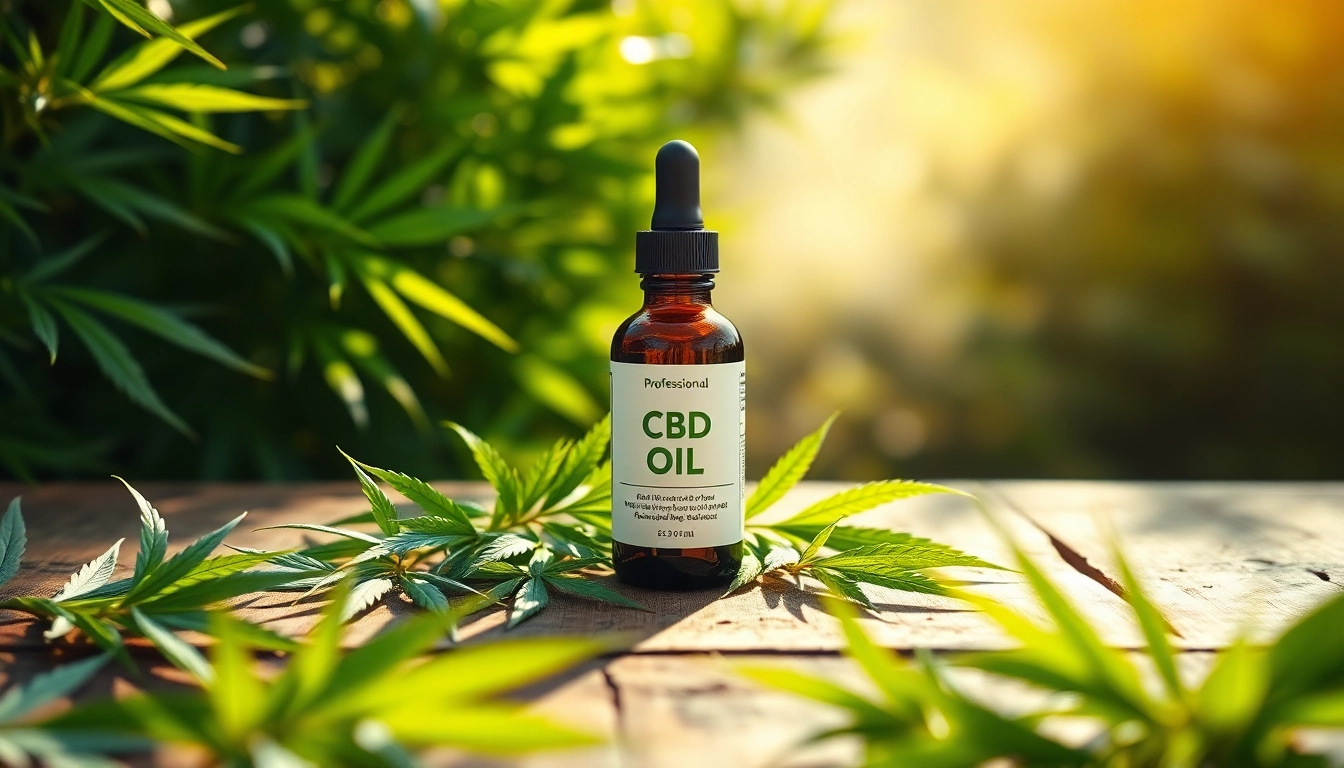
Cannabidiol, commonly known as CBD, is a compound extracted from the hemp plant, a species of Cannabis sativa. Unlike its more famous counterpart, tetrahydrocannabinol (THC), CBD does not induce psychoactive effects, meaning it won’t get you “high.” Instead, CBD Oil has gained prominence for its potential therapeutic benefits, including pain relief, anxiety reduction, and anti-inflammatory properties. Many individuals are increasingly turning toward natural remedies, making products like CBD Oil popular choices for holistic health.
How is CBD Oil Extracted?
The extraction process of CBD Oil plays a critical role in determining the quality and purity of the final product. There are various methods to extract CBD, the most common being:
- CO2 Extraction: This method utilizes carbon dioxide under high pressure to extract CBD oil from the hemp plant. It is considered the gold standard due to its ability to produce highly pure extracts without harmful solvents.
- Solvent Extraction: In this technique, solvents like ethanol or butane are used to extract CBD. While it’s cost-effective, there’s a risk of residual solvents remaining in the final product.
- Steam Distillation: This method employs steam to separate the essential oils from the plant material, which can then be condensed into oil. Although effective, it might not preserve cannabinoids as well as CO2 extraction.
Key Components of CBD Oil
The composition of CBD Oil consists of various beneficial compounds, including:
- Cannabinoids: These are naturally occurring compounds in cannabis, including CBD and THC.
- Terpenes: These aromatic compounds contribute to the scent and flavor of the oil and may offer additional health benefits.
- Flavonoids: Present in many plants, flavonoids have anti-inflammatory and antioxidant properties that enhance the overall effects of CBD.
- Omega Fatty Acids: These essential fats provide numerous health benefits, including heart health support and anti-inflammatory properties.
Potential Health Benefits of CBD Oil
Relief from Pain and Inflammation
One of the most compelling reasons individuals turn to CBD Oil is its potential to alleviate pain and inflammation. Studies suggest that CBD interacts with the endocannabinoid system (ECS), which plays a crucial role in regulating pain and immune response. Users often report significant relief from conditions such as arthritis, multiple sclerosis, and chronic pain. A systematic review highlighted the effectiveness of CBD in reducing pain, primarily through its anti-inflammatory effects and modulation of pain signaling pathways.
Anxiety and Stress Management
CBD Oil may be advantageous for anxiety and stress relief. Research indicates that CBD can help individuals manage anxiety disorders, including generalized anxiety disorder and social anxiety disorder. It appears to enhance levels of serotonin, a neurotransmitter responsible for mood regulation. A notable clinical trial found that CBD significantly reduced anxiety in participants who were preparing for public speaking, emphasizing its efficacy in reducing acute stress responses.
Potential Neuroprotective Properties
The neuroprotective properties of CBD are an area of increasing interest, particularly regarding conditions like epilepsy and neurodegenerative diseases. The FDA has approved a CBD-based medication for epilepsy, highlighting its clinical significance. Studies have shown that CBD can reduce the frequency of seizures in epilepsy patients. Furthermore, its antioxidant properties suggest potential benefits in conditions such as Alzheimer’s and Parkinson’s disease, as it might help protect neurons from oxidative stress and inflammation.
How to Use CBD Oil Effectively
Choosing the Right Dosage
Determining the appropriate dosage of CBD Oil can vary significantly depending on individual factors such as body weight, metabolism, and the condition being treated. It is generally advisable to start with a low dose and gradually increase until the desired effects are achieved. Many manufacturers provide dosage guidelines based on milligrams of CBD per serving, making it easier for users to track their intake. Consulting with a healthcare professional can also provide personalized recommendations based on specific health needs.
Methods of Consumption
There are various ways to consume CBD Oil, each offering distinct advantages:
- Sublingual Drops: Placing CBD Oil under the tongue allows for rapid absorption into the bloodstream.
- Capsules: For those who prefer a pre-measured dose, capsules provide a convenient way to take CBD.
- Topicals: Creams and balms infused with CBD can be applied directly to the skin for localized pain relief.
- Edibles: CBD-infused foods and beverages offer an enjoyable way to incorporate CBD into your routine, but they may lead to delayed effects due to digestion.
Integrating CBD Oil into Daily Routine
Incorporating CBD Oil into your daily routine can enhance its benefits. Whether taken in the morning for anxiety relief or at night for improved sleep, finding a consistent schedule that aligns with your lifestyle can enhance its effectiveness. Some users have reported adding CBD Oil to their smoothies or coffee, while others prefer taking it as a supplement after meals. Understanding how and when to use CBD Oil based on personal needs will optimize your experience.
Safety and Side Effects of CBD Oil
Common Side Effects
While CBD Oil is generally considered safe for most individuals, some may experience side effects. Common side effects include:
- Drowsiness or fatigue
- Dry mouth
- Changes in appetite
- Diarrhea
These side effects are often mild and can be mitigated by adjusting the dosage. However, it’s essential to monitor how your body reacts to CBD, especially when starting.
Contraindications and Precautions
Before beginning CBD Oil, it’s crucial to consider any potential contraindications. Individuals taking medications that interact with the endocannabinoid system, such as blood thinners, should consult with a healthcare professional. Additionally, those with liver conditions need to exercise caution, as CBD may affect liver enzymes. Pregnant or breastfeeding women are also advised to avoid CBD until more research is conducted.
Consulting with Healthcare Professionals
Always consult with a healthcare professional before starting CBD Oil, especially if you have underlying health conditions or take other medications. Healthcare providers can offer insights tailored to your personal health history and needs, ensuring safe and effective use of CBD.
Future of CBD Oil Research and Development
Recent Scientific Studies
The landscape of CBD Oil research is evolving rapidly, with ongoing studies exploring its potential benefits and applications. Recent research has delved into CBD’s role in pain management, anxiety reduction, and its impact on various medical conditions. As more information emerges, the scientific community is gaining a clearer understanding of how CBD interacts with the body, paving the way for new therapeutic avenues.
Emerging Trends in CBD Oil Products
The market for CBD Oil is burgeoning, with innovative products continually emerging. These range from full-spectrum oils that contain multiple cannabinoids to isolate products that provide pure CBD without other compounds. Enhanced formulations, such as CBD combined with additional herbs and vitamins, aim to provide tailored solutions for various health concerns. As consumer awareness grows, the demand for high-quality, lab-tested products continues to shape the industry.
Regulatory Landscape and Market Growth
The regulatory landscape surrounding CBD is becoming more defined, which is likely to impact market growth significantly. In many regions, there’s a movement towards establishing standards for quality and safety in CBD products. As regulations evolve, it will create opportunities for businesses while ensuring that consumers receive effective and safe products.




More Stories