




What is Full spectrum CBD?
Definition and Characteristics
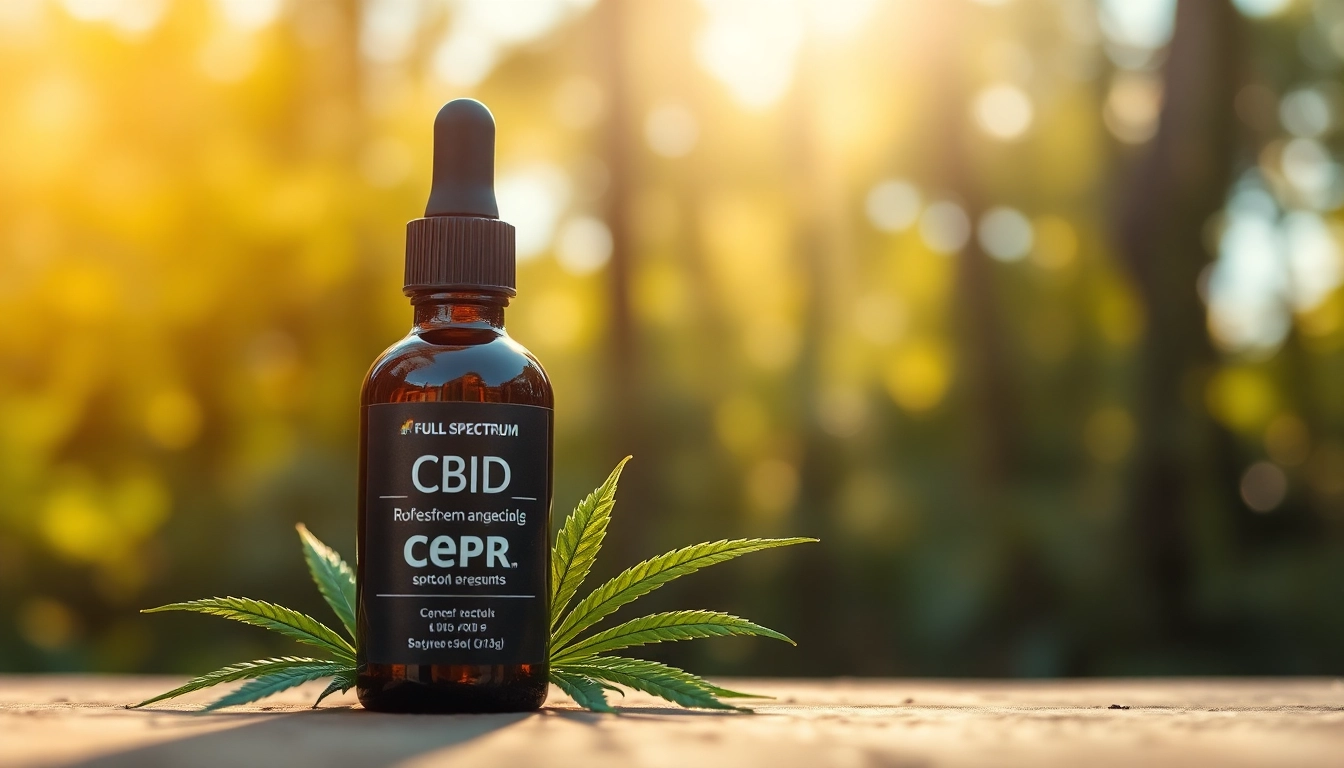
Full spectrum CBD refers to a natural extract from the hemp plant that contains all the cannabinoids, terpenes, and other beneficial compounds present in the plant, including a minimal amount of THC (tetrahydrocannabinol). Unlike CBD isolate, which contains only CBD, Full spectrum CBD maintains the whole-plant synergy, potentially enhancing its therapeutic effects through the “entourage effect.” This interplay between various cannabinoids, including CBD and trace amounts of THC (up to 0.3%), aims to offer a more comprehensive health benefit.
How it Differs from Other CBD Types
Full spectrum CBD is often contrasted with two other CBD types: broad spectrum CBD and CBD isolate. Broad spectrum CBD also contains multiple cannabinoids but excludes THC completely. This makes broad spectrum a viable option for those who want the effects of various cannabinoids without any psychoactive effects. On the other hand, CBD isolate refers to pure CBD without any other cannabinoids or terpenes. While isolates are useful for certain applications, they lack the potential benefits derived from the full synergy of the hemp plant.
Legal Aspects and Regulations
The legal landscape surrounding Full spectrum CBD varies across different countries and regions, but in the United States, it is generally legal under federal law as long as it contains less than 0.3% THC by dry weight. Despite this federal allowance, individual states may have specific regulations, so it’s essential for consumers to be aware of local laws. The 2018 Farm Bill was a significant milestone that legalized hemp-derived products, including Full spectrum CBD, creating a more accessible market. However, remaining vigilant about sourcing products from reputable manufacturers is crucial, as some states may have stricter guidelines.
Health Benefits of Full spectrum CBD
Potential Therapeutic Effects
Research surrounding full spectrum CBD is still evolving, but existing studies suggest a range of therapeutic effects. These effects may include anti-inflammatory properties, which can aid in reducing conditions such as arthritis and chronic pain. Additionally, some studies have shown that Full spectrum CBD might play a role in alleviating epilepsy symptoms and reducing seizures in certain conditions like Dravet syndrome. The synergistic effect of full spectrum CBD may enhance the potential health benefits further, making it a popular choice among users seeking holistic treatment options.
Impact on Mental Health
The effects of Full spectrum CBD on mental health are particularly noteworthy. Anecdotal evidence and preliminary studies suggest that it may help in managing anxiety, depression, and stress. The interaction of various compounds in full spectrum CBD could promote neurotransmitter balance, leading to improvements in mood and mental clarity. Moreover, the calming effects associated with Full spectrum CBD can provide a non-pharmaceutical alternative for individuals struggling with anxiety disorders, potentially reducing reliance on traditional medications.
Uses in Pain Management
Many users turn to Full spectrum CBD for its pain management properties. Research indicates it may alleviate pain from various conditions, including migraines, fibromyalgia, and general chronic pain. The anti-inflammatory properties derived from Full spectrum CBD may contribute to this effect, making it an appealing option for those who have not found relief through conventional pain medications. Users often report a better quality of life with regular usage, as pain levels decrease and mobility improves.
How to Choose Quality Full spectrum CBD Products
Understanding Labels and Ingredients
When selecting Full spectrum CBD products, understanding the labels is crucial. Consumers should look for information regarding the concentration of cannabinoids, extraction methods, and additional ingredients. Reliable manufacturers will disclose whether their products are derived from organic sources and whether they contain non-GMO ingredients. Additionally, one should check for the inclusion of other beneficial plant compounds, as these can enhance both flavor and health benefits.
Third-Party Testing and Certifications
Trustworthy Full spectrum CBD producers typically engage independent third-party labs to test their products for purity and potency. Lab results should be readily available to consumers via the company’s website or upon request. These certificates of analysis (COAs) confirm that the product is free from harmful substances such as heavy metals and pesticides while verifying cannabinoid content. The presence of clear, accessible COAs is an indicator of a brand’s commitment to quality and transparency.
Customer Reviews and Recommendations
Customer feedback can be invaluable when choosing Full spectrum CBD products. Reviews provide insights into the product’s effectiveness, taste, and consumer experience. Look for reputable websites that aggregate customer reviews and avoid products with limited or suspicious reviews. Additionally, personal recommendations and testimonials from friends and family members can help steer consumers toward reliable brands and products.
Methods of Consumption
Oils, Tinctures, and Capsules
Full spectrum CBD is available in various forms, including oils, tinctures, and capsules. Oils and tinctures are often preferred for their fast absorption rates, as they are typically taken sublingually (under the tongue), allowing for quicker onset of effects. Capsules offer a convenient, pre-measured dose, making them an excellent choice for people who are new to CBD or who prefer not to taste the product. When deciding which form to use, consider how quickly you want to feel the effects and your personal preferences regarding taste and convenience.
Topicals and Edibles
Topicals, such as creams and balms infused with Full spectrum CBD, are ideal for localized treatment, providing relief directly to an affected area. This method can be particularly beneficial for joint and muscle pain. On the other hand, edibles, including gummies and chocolates, offer a palatable way to consume CBD but may take longer to take effect as they need to pass through the digestive system. Choosing the right method depends on your needs, preferred flavor profiles, and desired onset time.
Dosing Guidelines and Considerations
Dosing Full spectrum CBD can vary significantly among individuals due to factors like body weight, metabolism, and personal health goals. It’s generally recommended to start with a low dose and gradually increase until the desired effects are achieved. Consulting with a healthcare provider for personalized dosing recommendations, especially if you are taking other medications or have pre-existing health conditions, is critical. Tracking your response can help refine your dosage over time.
FAQs about Full spectrum CBD
Can Full spectrum CBD get you high?
No, Full spectrum CBD contains minimal THC (less than 0.3%) that doesn’t produce psychoactive effects.
Is Full spectrum CBD legal?
Yes, Full spectrum CBD is legal in the U.S. as long as it contains less than 0.3% THC.
What are the side effects of Full spectrum CBD?
Common side effects include drowsiness, dry mouth, and changes in appetite; consult a doctor if concerns arise.
How long does it take for Full spectrum CBD to work?
Effects can be felt within 30 minutes to a few hours, depending on the consumption method and individual factors.
Can Full spectrum CBD interact with medications?
Yes, it can interact with certain medications; always consult a healthcare provider before use.




More Stories
Wholesale Mylar Bags for Cost-Effective Packaging Solutions
Elevate Your Health Journey with properloud.cc: The Essence of CBD Wellness
Shop THC Gummies Online Europe – Tasty, Legal Edibles with Reliable EU Delivery