




Understanding CBD Oil for Skin
In the ever-evolving world of skincare, CBD oil for skin is garnering significant attention for its potential benefits. Derived from the cannabis plant, CBD, or cannabidiol, has emerged as a versatile ingredient that boasts various applications. But what exactly is CBD oil, and how does it influence skin health? This article delves into the origins of CBD oil, its mechanisms, and its proven benefits for the skin, ultimately helping to demystify this trending ingredient.
What is CBD Oil and Its Origins?
CBD oil is a product extracted from the flowers, leaves, and stalks of the hemp plant, which is a variety of the Cannabis sativa plant. Unlike THC (tetrahydrocannabinol), another prominent cannabinoid, CBD is non-psychoactive—meaning it won’t get you high. The use of hemp for medicinal purposes dates back thousands of years, and modern research is now validating some of its long-claimed benefits. Today, CBD oil is commonly used in various health and wellness products, particularly in skincare, due to its anti-inflammatory and antioxidant properties.
How CBD Oil Works on Skin
The skin, the largest organ of the body, has its own endocannabinoid system (ECS), which plays a crucial role in maintaining homeostasis. The ECS is involved in regulating various skin functions, such as oil production, proliferation, and inflammation. When CBD oil is applied topically, it interacts with the cannabinoid receptors in the ECS, promoting healthier skin conditions by modulating different skin functions. This interaction results in various beneficial effects, including reduced inflammation, improved hydration, and enhanced barrier function.
The Science Behind CBD Oil for Skin Benefits
Numerous studies are underway to understand the precise ways CBD oil benefits the skin. Preliminary research indicates that CBD has anti-inflammatory, antioxidant, and antibacterial properties. For instance, it may help reduce the inflammatory response linked to conditions like acne and eczema. Furthermore, due to its ability to regulate sebum production, CBD can play a role in managing acne outbreaks. In addition to these effects, CBD oil is rich in essential fatty acids, which can also support the skin’s hydration levels and overall health.
Benefits of CBD Oil for Skin Health
Anti-Inflammatory Properties
A significant number of skin conditions, from acne to psoriasis, are closely related to inflammation. CBD oil’s anti-inflammatory properties have been backed by scientific research. Studies have shown that CBD can inhibit inflammatory cytokines, which are responsible for creating a marked inflammatory response within the skin. For individuals struggling with conditions characterized by chronic inflammation, the incorporation of CBD oil can be a game-changer, potentially leading to smoother and more comfortable skin.
Moisturizing Effects
Maintaining adequate moisture in the skin is vital for preventing irritation and dryness. CBD oil has been shown to possess moisturizing properties that contribute to improved skin hydration. Its rich fatty acid profile helps strengthen the skin barrier, preventing transepidermal water loss. This makes it an ideal ingredient for people with dry or sensitive skin, who may benefit from its soothing and hydrating effects.
Potential Treatment for Acne and Eczema
Acne is primarily linked to the overproduction of sebum, which can lead to clogged pores and inflammation. CBD oil can help regulate sebum production while simultaneously providing anti-inflammatory effects to calm irritated skin. Clinical evidence suggests that when applied topically, CBD oil may reduce acne breakouts significantly. Similarly, individuals suffering from eczema can benefit from CBD’s ability to reduce itchiness and irritation by modulating the skin’s inflammatory response.
Ways to Incorporate CBD Oil into Your Skincare Routine
Topical Applications
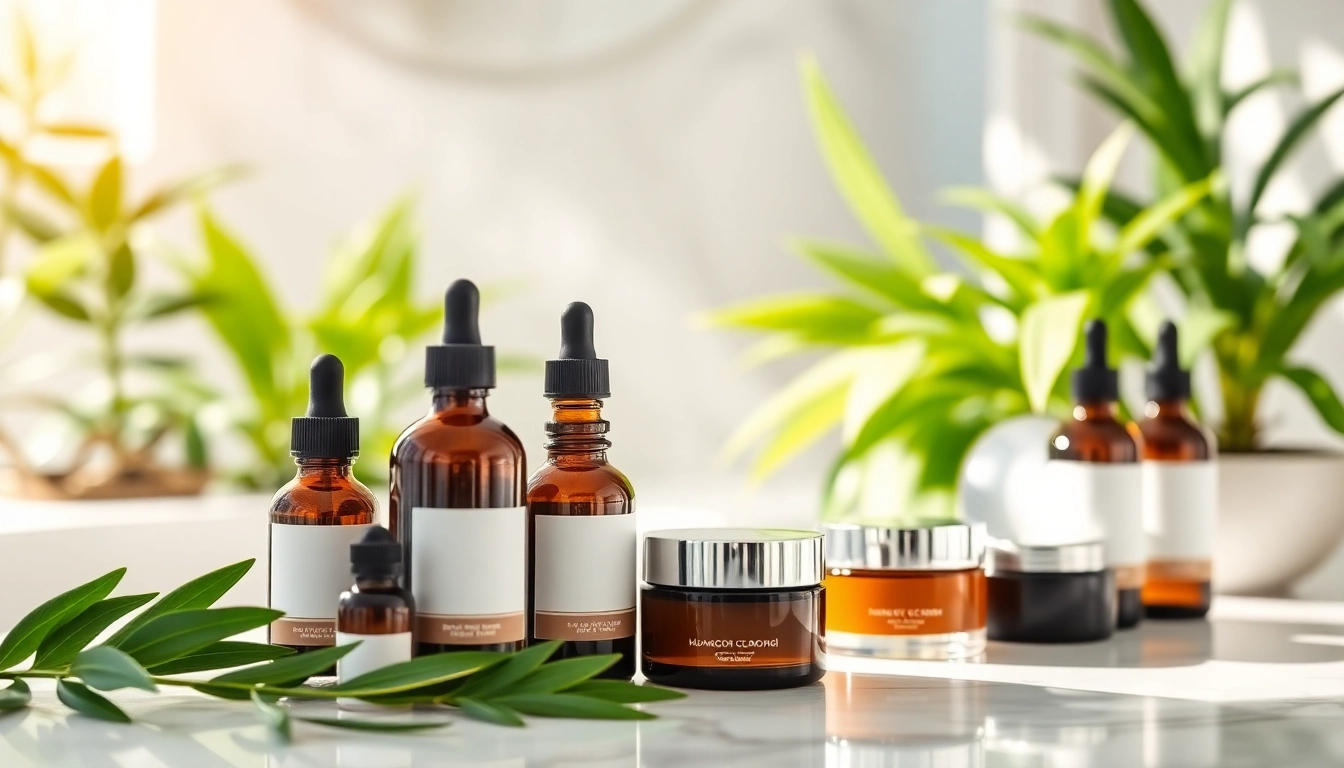
Topical application is one of the most effective ways to utilize CBD oil for skincare. This can include serums, creams, and balms infused with CBD. When choosing a product, look for those with high-quality, full-spectrum CBD, as they contain a range of beneficial cannabinoids and terpenes that can enhance the therapeutic effects. Always do a patch test first to ensure there’s no adverse reaction.
DIY CBD Oil Skincare Recipes
For those who prefer a more personalized approach, creating your own CBD oil skincare products is an option. Here are a couple of simple recipes:
- CBD-Infused Face Oil: Mix a carrier oil such as jojoba or almond oil with a few drops of CBD oil. Apply it to the face after cleansing to lock in moisture.
- CBD Healing Balm: Combine beeswax, coconut oil, and CBD oil. Melt the mixture, pour it into a container, and let it solidify. This balm can be used for dry patches and irritated skin.
Choosing the Right Product
When selecting CBD oil products for skin, consider the concentration of CBD, additional beneficial ingredients (like essential oils or vitamins), and the product’s overall formulation. Look for full-spectrum or broad-spectrum options to maximize the potential benefits. Moreover, always check for third-party lab testing results to ensure the product’s safety, potency, and quality.
Potential Side Effects and Considerations
Allergic Reactions to CBD Oil
Though generally well-tolerated, some individuals may experience allergic reactions to CBD oil. Symptoms can include redness, itching, or irritation. To minimize risk, start with a low concentration and gradually increase as tolerated. If you experience any severe reactions, discontinue use and consult a healthcare provider.
Interaction with Other Skincare Ingredients
CBD oil can interact with various other skincare ingredients. For example, combining CBD oil with retinoids can be beneficial for combination skin but should be approached carefully, as both ingredients can potentially cause irritation. Always consult a dermatologist or skincare professional if you have concerns about interactions with other products in your routine.
Consulting with a Dermatologist
Before integrating CBD oil into your skincare regimen, it’s advisable to consult with a dermatologist, especially if you have pre-existing skin conditions or are currently using other treatments. A professional can help determine whether CBD oil is a suitable addition to your skincare routine and provide personalized recommendations on product selection and usage.
Real User Experiences with CBD Oil for Skin
Success Stories and Testimonials
Many users have reported significant improvements in their skin condition after incorporating CBD oil into their routine. Testimonials often highlight reductions in acne, soothing of irritated skin, and overall enhancement in skin texture and hydration. These success stories underscore the potential of CBD oil as a transformative ingredient in skincare.
Before and After Comparisons
Visual evidence of the effectiveness of CBD oil for skin is prevalent across various platforms. Users frequently share before and after images showcasing clear differences in skin clarity, reduction in inflammation, and heightened overall health. These comparisons can be incredibly motivating for those considering CBD oil as an option for skincare.
Long-Term Skincare Strategy with CBD Oil
Implementing CBD oil into a long-term skincare strategy can yield compounding benefits. With consistent use, individuals may notice not only improvements in specific conditions but also overall skin health. To maximize these effects, it is vital to combine CBD oil with a comprehensive skincare regimen, including sun protection, proper hydration, and a balanced diet. Monitoring skin responses and adjusting the routine as necessary is essential for maintaining optimal results.



More Stories
Wholesale Mylar Bags for Cost-Effective Packaging Solutions
Elevate Your Health Journey with properloud.cc: The Essence of CBD Wellness
Shop THC Gummies Online Europe – Tasty, Legal Edibles with Reliable EU Delivery