



Understanding Salvia Divinorum: What You Need to Know
Salvia divinorum, a plant native to Oaxaca, Mexico, has been garnering attention for its unique psychoactive properties and cultural significance among the Mazatec people. Often referred to as “diviner’s sage,” this herb has been used for centuries in spiritual rituals and healing practices. However, the increasing interest in Salvia divinorum has led to a proliferation of information, much of which is unclear or misleading. Understanding what Salvia divinorum is and the various forms available for purchase is essential for anyone considering adding this plant to their collection or research. When exploring options, Salvia Divinorum Plant for sale provides comprehensive insights into the different categories available, their uses, and important considerations for care.
What is Salvia Divinorum?
Salvia divinorum is a perennial herb that belongs to the mint family, Lamiaceae. Unlike many other species of salvia, Salvia divinorum has a unique active compound known as salvinorin A, which is responsible for its potent psychoactive effects. This plant typically grows in tropical climates, displaying lush green leaves and a square stem that can reach up to three feet in height. Its striking qualities make it a popular choice among collectors, ethno-botanists, and those interested in herbal medicine.
Benefits and Uses of Salvia Divinorum
This herb has a rich history of use in traditional Mazatec ceremonies, where it plays an integral role in divination and healing practices. Research has suggested that Salvia divinorum may offer several benefits, including:
- Spiritual Exploration: Used ceremonially, many individuals seek out Salvia divinorum to facilitate personal introspection and spiritual journeys.
- Therapeutic Potential: Some studies indicate that the psychoactive properties of salvinorin A may have applications in treating conditions such as depression, anxiety, and PTSD.
- Botanical Research: As a unique member of the Salvia family, it serves as a key subject for research in pharmacology and botany.
Legal Status and Considerations
The legal status of Salvia divinorum varies significantly from one region to another. In some places, it is classified as a controlled substance, while in others, it remains legal to possess and cultivate. Before purchasing or cultivating Salvia divinorum, it is crucial to check local laws and regulations to ensure compliance.
Different Forms of Salvia Divinorum Available for Sale
When looking to buy Salvia divinorum, it is essential to understand the different forms in which this plant can be found. These forms cater to varying preferences and intended uses, and each carries unique characteristics and effects.
Live Salvia Divinorum Plants
Live plants are often sought after by enthusiasts and researchers looking to cultivate their own Salvia divinorum. Typically available as rooted cuttings, these plants require specific care and attention to thrive. When purchasing live plants, it is vital to consider factors such as source reliability, plant health, and growth conditions.
Dried Leaves: What to Expect
Dried Salvia leaves offer a more accessible method of use for those interested in experiencing the plant’s effects without the complexities of cultivation. The leaves can be smoked, brewed into teas, or used in extracts. It’s important to note that the potency of dried leaves can vary, depending on the method of drying and preservation. Understanding the characteristics of dried leaves ensures better preparation and consumption practices.
Extracts of Salvia Divinorum: Types and Potency
Extracts are concentrated forms of Salvia divinorum, made by isolating the active compounds from the plant material. These extracts are typically labeled with their strength, such as 10x, 20x, or even 100x, indicating the concentration of salvinorin A. Higher concentrations can lead to more intense experiences; therefore, new users should approach these products with caution and start with lower concentrations to gauge their reactions.
Where to Buy Salvia Divinorum Plants Online
The internet is flooded with sources claiming to sell Salvia divinorum, but discerning which sites offer quality products can be challenging. Here, we highlight some of the top trusted sellers and what you should look out for when considering an online purchase.
Top Trusted Sellers for Salvia Divinorum
Reputable online vendors specialize in Salvia divinorum and provide quality assurances. Look for sellers with positive reviews, transparent sourcing practices, and clear descriptions of their products. Websites like Salvia Divinorum Shop prioritize education alongside their offerings, helping customers make informed decisions.
Comparing Prices and Quality
Prices can vary widely based on the type of Salvia divinorum, its form, and the vendor. When comparing prices, consider not just the cost but also the quality of the product and the reputation of the seller. Investing in higher-quality products typically leads to better experiences and outcomes.
Understanding Shipping and Delivery
Shipping policies can also differ greatly among sellers. Ensure that the vendor you choose provides discreet packaging, reliable shipping methods, and clear communication regarding delivery times. Factors such as location and current demand for Salvia divinorum can impact shipping times, so allow for potential delays.
Best Practices for Growing and Caring for Salvia Divinorum
Successfully nurturing Salvia divinorum requires understanding its unique needs and growth conditions. Here are some best practices for growing your own plants.
Propagating Your Own Salvia
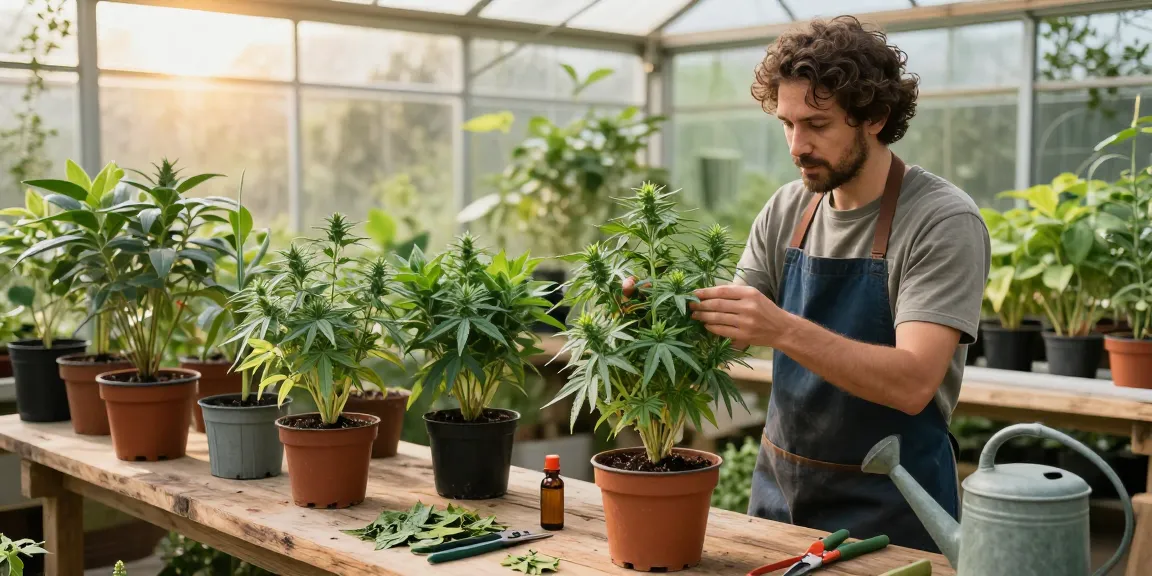
Propagation typically occurs through cuttings taken from healthy parent plants. It is crucial to ensure that the cuttings are taken during the right season, preferably in warmer months, to enhance root development. Planting these cuttings in a suitable potting mix and providing consistent moisture are vital for success.
Optimal Soil and Environmental Conditions
Salvia divinorum thrives in well-draining soil rich in organic matter. Given their tropical origin, these plants prefer high humidity and indirect light conditions. Regular monitoring of moisture levels and adjusting watering schedules to prevent over or under-watering will help maintain healthy growth.
Common Pests and How to Manage Them
Like any plant, Salvia divinorum is susceptible to pests such as aphids, spider mites, and whiteflies. Regular inspections and maintaining healthy plant conditions can mitigate infestations. Using organic insecticidal soap or introducing beneficial insects can also help maintain pest populations at manageable levels.
Future Trends in Salvia Divinorum Cultivation and Sales
As we look ahead to 2026, the cultivation and market trends for Salvia divinorum are evolving in several interesting ways. Here’s a closer look at what’s on the horizon.
Emerging Research and Insights for 2026
Ongoing studies continue to explore the benefits of Salvia divinorum, particularly its therapeutic applications and psychoactive properties. This research may lead to more widespread acceptance and understanding of the plant, influencing market demand.
Consumer Preferences and Market Demand
As awareness grows, consumers are increasingly interested in ethical sourcing and sustainability. Expect to see a rise in demand for organically grown Salvia divinorum, with consumers prioritizing transparency in cultivation methods.
Innovative Cultivation Techniques on the Horizon
Advancements in plant cultivation technology may lead to more efficient propagation methods and plant health monitoring systems, enhancing both home growing and commercial cultivation practices.
Where can you find Salvia Divinorum seeds for sale?
Salvia divinorum seeds are a rare find, given that the plant does not easily produce viable seeds under standard cultivation conditions. However, some specialized online retailers focus on providing genuine seeds for those interested in an authentic growing experience.
How much does a Salvia Divinorum plant usually cost?
The cost of Salvia divinorum plants can vary based on factors such as size, form (live plant, dried leaves, or extracts), and supplier. Typically, live plants may range from $20 to $50, while dried leaves and extracts can vary widely based on concentration and quality.
Is it legal to own a Salvia Divinorum plant in my state?
As mentioned, the legality of Salvia divinorum differs by state and country. It is essential to research your local laws thoroughly before making any purchases to ensure compliance with regulations.
What are the best extracts for new users?
New users should start with lower concentration extracts, such as 10x or 15x, to assess their tolerance and understanding of the plant’s effects. As users become more familiar, they can experiment with higher concentrations, always prioritizing safety and responsible usage.
How can I ensure quality when ordering Salvia Divinorum online?
To ensure quality when purchasing Salvia divinorum, opt for reputable vendors, check customer reviews, and validate sourcing practices. Knowledgeable sellers will provide descriptions of their products, including cultivation methods and potency levels, helping you make informed choices.




More Stories
The Science Behind Weed Vape: Evidence-Based Insights for Natural Wellness
Hidden Weed Vape Dangers: A Wellness Guide for Safe Usage in 2026
Driada Medical Shop Cost Breakdown: What You Actually Pay for Quality Products