




Understanding CBD and Its Benefits
What is CBD?
Cannabidiol, commonly referred to as CBD, is a naturally occurring compound found in the cannabis plant. This non-psychoactive component is one of over 100 cannabinoids identified in hemp, and it has garnered significant attention for its potential therapeutic effects. Unlike its better-known cousin THC (tetrahydrocannabinol), CBD does not induce a “high,” making it an appealing choice for individuals seeking relief from various ailments without mental impairment. As awareness of the benefits of hemp-derived products grows, platforms like properloud.cc are leading the charge in educating consumers about CBD’s properties.
How CBD Works in the Body
The human body has an intricate network known as the endocannabinoid system (ECS), which plays a crucial role in maintaining homeostasis. This system consists of cannabinoid receptors (CB1 and CB2), endocannabinoids, and enzymes. CBD interacts primarily with CB2 receptors, which are predominantly located in the immune system. When CBD binds to these receptors, it may help regulate pain, inflammation, and other physiological processes. Understanding how CBD interacts with the ECS is vital for anyone interested in utilizing its potential benefits effectively.
Health Benefits of CBD
CBD has been linked to a variety of health benefits, making it a popular supplement among wellness seekers. Research suggests potential advantages include:
- Pain Relief: CBD may help alleviate chronic pain by impacting endocannabinoid receptor activity and reducing inflammation.
- Anxiety and Depression Management: Studies indicate that CBD may reduce anxiety and enhance mood through its effects on serotonin receptors.
- Neuroprotective Properties: There is emerging evidence that CBD helps in managing neurological disorders, potentially offering protective effects for conditions like epilepsy and multiple sclerosis.
- Improved Sleep Quality: CBD has been reported to help individuals with insomnia and sleep disturbances, allowing for more restful sleep.
- Heart Health: Some studies suggest CBD may benefit heart health by reducing blood pressure and preventing heart damage.
Choosing the Right CBD Products
Identifying Quality CBD
With a plethora of CBD products on the market, it is essential to identify what constitutes quality. Look for products that include:
- Third-Party Testing: Independent labs should test products for purity and potency.
- Transparency: Brands should be open about sourcing and manufacturing processes, ideally using organically grown hemp.
- Full-spectrum or Broad-spectrum Formulas: These products contain multiple cannabinoids and terpenes, which can create an “entourage effect” that may enhance the therapeutic benefits.
Types of CBD Products
CBD products come in various forms, catering to different preferences and needs. Common types include:
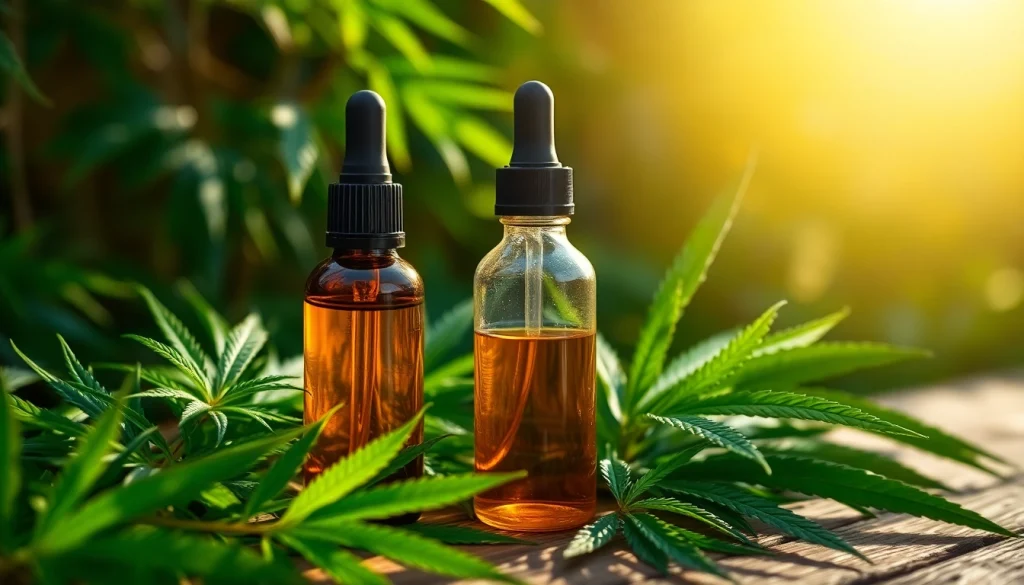
- Oils and Tinctures: These concentrated liquids are typically taken sublingually for quick absorption.
- Edibles: Gummies, chocolates, and beverages provide a tasty way to consume CBD but may have delayed effects due to digestion.
- Topicals: Creams, balms, and lotions are applied directly to the skin for localized relief.
- Capsules: Pre-measured doses offer convenience for those who prefer not to taste or measure out oils.
Dosage Considerations for CBD
Determining the right dosage of CBD can be nuanced, as it varies based on individual factors like body weight, metabolism, and the specific condition being treated. A general guideline is to start with a low dose, such as 5-10 mg, and gradually increase until the desired effects are achieved. It’s crucial to observe how the body responds, as some may experience relief with lower doses, while others might require more. Consulting with a healthcare provider familiar with CBD can help tailor dosages more effectively.
Implementing CBD into Your Daily Routine
Best Practices for Consumption
Incorporating CBD into your daily routine effectively requires consistency and attention to timing. Here are some best practices to consider:
- Regular Schedule: Take CBD at the same time each day to maintain stable levels in your body.
- Pairing with Meals: Consuming CBD with food can enhance absorption, particularly with fatty foods.
- Hydration: Staying well-hydrated may help the body process CBD more efficiently.
Combining CBD with Other Natural Remedies
Many individuals find that combining CBD with other natural remedies can enhance their wellness journey. Popular combinations include:
- Turmeric: Known for its anti-inflammatory properties, turmeric can enhance the benefits of CBD.
- Magnesium: This mineral can promote relaxation, complementing the calming effects of CBD.
- Valerian Root: Often used as a sleep aid, valerian root may synergize well with CBD for improved sleep quality.
Tracking Your Progress with CBD
Documenting your experiences with CBD can help identify what works best for you. Consider keeping a journal detailing:
- The dosage and type of CBD consumed.
- Effects felt over time, including any benefits or side effects.
- Any changes in lifestyle, such as diet or exercise, that could influence outcomes.
Regularly reviewing this information can offer insights into how to adjust your CBD routine for optimal results.
Common Myths and Misconceptions About CBD
Debunking CBD Myths
Despite growing popularity, CBD is surrounded by myths that can mislead potential users. Some common misconceptions include:
- Myth 1: CBD is illegal everywhere. (Fact: CBD from hemp with less than 0.3% THC is legal in many regions.)
- Myth 2: CBD causes a high. (Fact: As noted earlier, CBD is non-psychoactive.)
- Myth 3: All CBD products are the same. (Fact: Quality and formulation vary significantly, impacting effectiveness.)
CBD vs. THC: Understanding the Differences
CBD and THC are both cannabinoids, but they have distinct differences. THC is responsible for the psychoactive effects associated with marijuana, while CBD does not produce a “high.” Additionally, CBD is often credited with anti-inflammatory and anxiolytic properties, whereas THC has been studied for pain relief and appetite stimulation. Understanding these differences is crucial when choosing products that align with your health goals.
The Legality of CBD Products
The legality of CBD varies significantly across regions. In many areas, hemp-derived CBD containing less than 0.3% THC is legal, but it’s essential to verify local regulations. Individuals should also be cautious of products that claim to be CBD but contain higher THC levels, as they may not comply with legal standards. Before purchasing, always check labels for cannabinoid content and source.
Future Trends in the CBD Industry
Innovations in CBD Product Development
The CBD industry is experiencing rapid growth, driven by innovations that cater to evolving consumer preferences. Trends include:
- Sustainable Sourcing: Brands are increasingly prioritizing eco-friendly practices, from cultivation to packaging.
- Advanced Extraction Methods: New technologies are improving extraction efficiency, resulting in purer and more effective products.
- Customization: Brands are exploring personalized CBD formulations to meet individual health needs and preferences.
Sustainability Practices in the CBD Industry
As awareness of environmental issues rises, many consumers are starting to favor brands that practice sustainability. This encompasses responsible cultivation methods, minimal use of pesticides, and eco-conscious packaging. Brands that prioritize sustainability are likely to build stronger customer loyalty and trust, as consumers become more discerning in their purchasing choices.
The Growing Global Market for CBD
The global CBD market is experiencing unprecedented growth, driven by increased consumer interest in health and wellness products. As more countries legalize CBD, new opportunities for market expansion arise. This growth is facilitated by ongoing research and education, strengthening consumer confidence in CBD’s potential benefits. Companies that adapt to market trends and regulatory changes are well-positioned to thrive in this evolving landscape.
Frequently Asked Questions
What is the difference between CBD and THC?
CBD is non-psychoactive and does not produce a high, while THC is the psychoactive component of cannabis responsible for the high sensation.
Is CBD legal?
The legality of CBD varies by region; in many places, hemp-derived CBD with less than 0.3% THC is legal, but always check local laws.
How do I choose a quality CBD product?
Choose products that are third-party tested, transparently sourced, and ideally made from full-spectrum or broad-spectrum CBD for enhanced benefits.
Can I take CBD with other medications?
It’s advisable to consult with a healthcare professional before combining CBD with other medications to ensure safety and avoid potential interactions.
How can I track my progress with CBD?
Keeping a journal of your CBD usage, dosage, and health effects can help you assess what works best for you over time.




More Stories
Shop THC Gummies Online Europe – Tasty, Legal Edibles with Reliable EU Delivery
What Is Geek THC? Understanding the Official Brand Behind the Name
Beneficios y Usos del trim CBD en el Mercado Actual