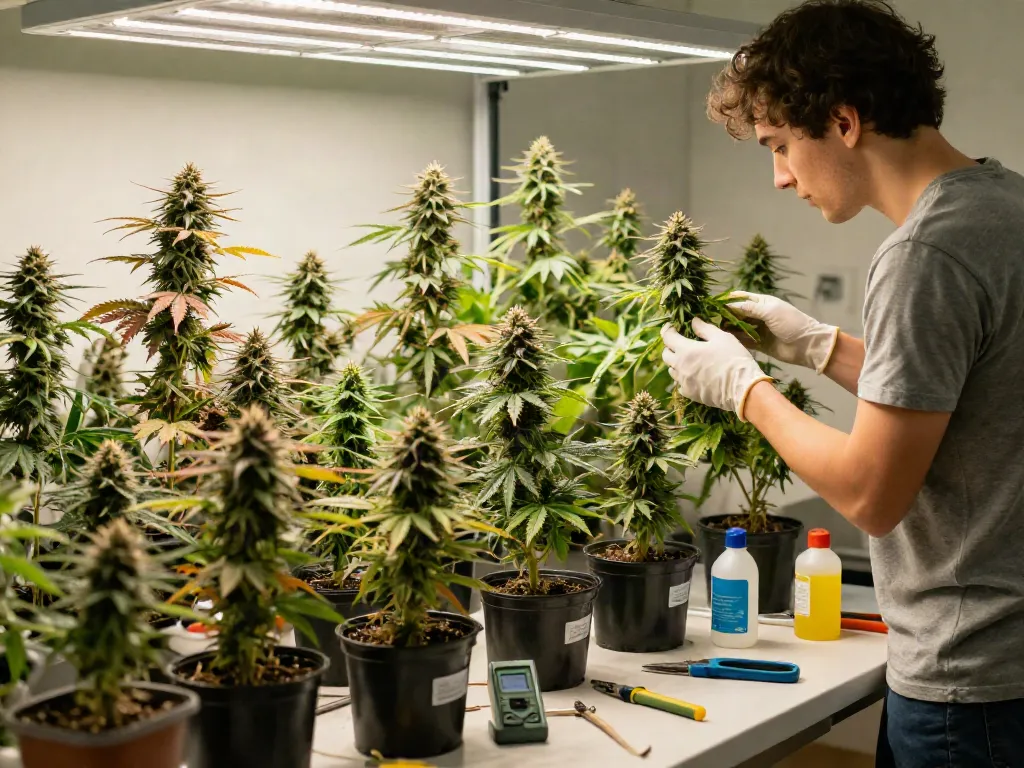
Understanding Cannabis Genetics
Cannabis genetics play a crucial role in determining the characteristics of cannabis plants, including their growth patterns, yield potential, potency, and flavor profiles. As the cannabis industry continues to evolve, understanding these genetics is more important than ever for both home growers and commercial cultivators. With advancements in breeding techniques and an increasing demand for diverse strain profiles, growers now have access to an impressive variety of options. In this guide, we will delve into the significance of cannabis genetics, the various types of strains available, and best practices for cultivating these plants with optimal results. When exploring options, cannabis genetics provide comprehensive insights to help you make informed choices.
What Are Cannabis Genetics and Their Importance?
At its core, cannabis genetics refer to the inherited traits that are passed from parent plants to their offspring. These traits are encoded in the plant's DNA and determine everything from the structure and shape of the plant to its cannabinoid and terpene profiles. Genetics influence a plant’s resistance to pests and diseases, flowering time, and overall resilience. Understanding these traits can empower growers to select strains that best fit their cultivation goals and local growing conditions.
The Basics of Indica, Sativa, and Hybrid Strains
Cannabis plants are traditionally grouped into three main categories: Indica, Sativa, and Hybrid. Indica strains are generally characterized by their shorter, bushier plants and are often associated with relaxing effects. Sativa strains, on the other hand, tend to be taller with narrower leaves and are typically linked to uplifting, energetic effects. Hybrids are crosses between Indica and Sativa strains, aiming to combine the desirable traits of both. This classification can help growers determine which strain may be best suited for their needs, whether for relieving pain, promoting creativity, or simply enjoying recreational use.
How Genetics Influence Plant Growth and Yield
The influence of cannabis genetics on plant growth cannot be overstated. Factors such as growth structure, flowering time, and environmental tolerance are all affected by the plant's genetic makeup. For instance, a strain bred for high yield may excel in outdoor conditions with ample sunlight, whereas another strain may thrive indoors with controlled lighting. Additionally, certain genetics are known to produce robust plants that can withstand environmental stressors, making them a favorite among novice and experienced growers alike.
Exploring Different Cannabis Strains
With such a wide spectrum of cannabis strains available on the market, it can be overwhelming to navigate through the options. Understanding the characteristics of top strains is essential for making the right selection based on your cultivation goals and personal preferences.
Top Cannabis Strains for Home Growers
Several strains have emerged as favorites among home growers due to their ease of cultivation and reliable yields. Shoreline is a classic that is well-regarded for its resilience and yield potential. Big Devil Fast V is an autoflowering strain that offers quick turnaround times, making it ideal for growers looking to maximize their harvest within a limited timeframe. For those seeking flavor, Cherry Mac Muffin and DONUTZ provide delicious terpenes and great visual aesthetics.
High-THC vs. High-CBD Strains: What You Need to Know
Another important aspect of cannabis genetics is the balance of THC and CBD. High-THC strains are often sought after for their psychoactive effects, making them popular among recreational users. Conversely, high-CBD strains are favored by medical patients due to their therapeutic benefits without the intoxicating effects typically associated with THC. Understanding the cannabinoid profiles of various strains is essential for consumers wanting specific effects or benefits.
Flavor Profiles: How Terpenes Determine Experience
Terpenes, the aromatic compounds found in cannabis, are responsible for the diverse flavors and scents associated with different strains. The presence of terpenes can significantly affect the overall experience, impacting both aroma and flavor, as well as potential therapeutic effects. For example, strains high in myrcene may offer sedative properties, while those rich in terpinolene can be more uplifting. Understanding these profiles can help growers select strains that align with their desired flavor experiences.
Best Practices for Growing Based on Genetics
Successfully cultivating cannabis plants requires an understanding of how to tailor growth conditions based on the specific genetics of the strain. This includes choosing the right environment, managing nutrients, and preventing common cultivation issues.
Tailoring Growth Conditions for Different Strains
Every cannabis strain has its own specific growth requirements. Indica strains typically require less light and can thrive in more compact spaces, while Sativa strains need more vertical room to grow. Ensuring optimal light, temperature, and humidity levels is crucial for maximizing yield and maintaining plant health. Additionally, outdoor growers should consider their regional climate and seasonal changes to select appropriate strains.
Common Mistakes to Avoid in Cultivation
New growers often fall into common pitfalls that can hinder their success. Overwatering is one of the most frequent mistakes, which can lead to root rot and nutrient deficiencies. Additionally, ignoring the specific dietary needs of the strain can result in stunted growth or poor yields. Researching and understanding the unique requirements of chosen strains can help avoid these issues and set the stage for successful cultivation.
Effective Nutrient Management Strategies
Nutrient management is key to supporting healthy plant growth. Cannabis requires a balanced mix of nitrogen, phosphorus, and potassium (NPK) at various stages of growth. For example, during the vegetative stage, plants typically require higher nitrogen levels to foster leafy growth. In contrast, during the flowering stage, phosphorus and potassium are crucial for bud development. Understanding the nutrient needs specific to your strain can help enhance growth and yield.
The Future of Cannabis Genetics
As the cannabis industry continues to expand, so too do the innovations in cannabis genetics. New breeding techniques and genetic engineering methods are opening doors to exciting developments in strain characteristics and capabilities.
Advancements in Genetic Engineering and Breeding Techniques
Emerging technologies, such as CRISPR and gene sequencing, are revolutionizing how breeders develop new cannabis strains. These advancements allow for more precise alterations to DNA, leading to improved traits such as higher yields, enhanced flavors, and increased resistance to pests and diseases. As these techniques become more accessible, we can expect a surge in innovative strains that cater to diverse consumer preferences.
Predictions for Cannabis Genetics in 2026 and Beyond
Looking forward to 2026, the cannabis genetics landscape is likely to shift significantly. With consumers increasingly seeking specialized strains tailored for specific effects or therapeutic applications, breeders will be challenged to meet this demand with precision breeding. We may also witness a rise in collaborations between breeders and scientists to foster more sustainable practices and strain preservation efforts.
Emerging Trends: The Rise of Specialty and Rare Strains
As cannabis culture evolves, so does the appreciation for unique and rare strains. Collectors and connoisseurs are becoming more interested in the provenance and story behind each strain, leading to a resurgence of landrace strains and heirloom varieties. This trend emphasizes the importance of preserving genetic diversity within the cannabis gene pool, ensuring that both traditional and modern cultivars are celebrated and maintained.
Frequently Asked Questions
Who has the best cannabis genetics right now?
Determining the best cannabis genetics is subjective and often depends on personal preference. However, breeders like The Devil's Harvest Seed Company and Positronics Seeds are highly regarded for their consistent quality and innovative strains.
What are the rarest cannabis genetics?
Rarer cannabis genetics can include landrace strains native to specific regions or unique hybrids created through specialized breeding practices. Strains like Colombian Gold and certain heirloom varieties are often sought after by collectors and enthusiasts.
What is the hardest strain to grow?
Strains that are finicky in terms of environmental conditions or nutrient requirements can be challenging to cultivate. Some pure Sativa varieties, for example, may require specific conditions that can be difficult to replicate, making them less suited for novice growers.
How do cannabis genetics affect flavor?
The flavor of cannabis is largely determined by its terpene profile, which is influenced by its genetics. Breeders select for specific terpenes to create distinct flavor experiences, ranging from fruity and sweet to earthy and spicy. Understanding how genetics influence these profiles can enhance a grower's ability to select strains that meet their flavor preferences.
What trends are shaping cannabis genetics in 2026?
In 2026, trends are likely to include a focus on sustainability, with more growers seeking organic and eco-friendly breeding practices. Additionally, there will be an emphasis on developing strains with specific medicinal properties to cater to the needs of medical cannabis patients.