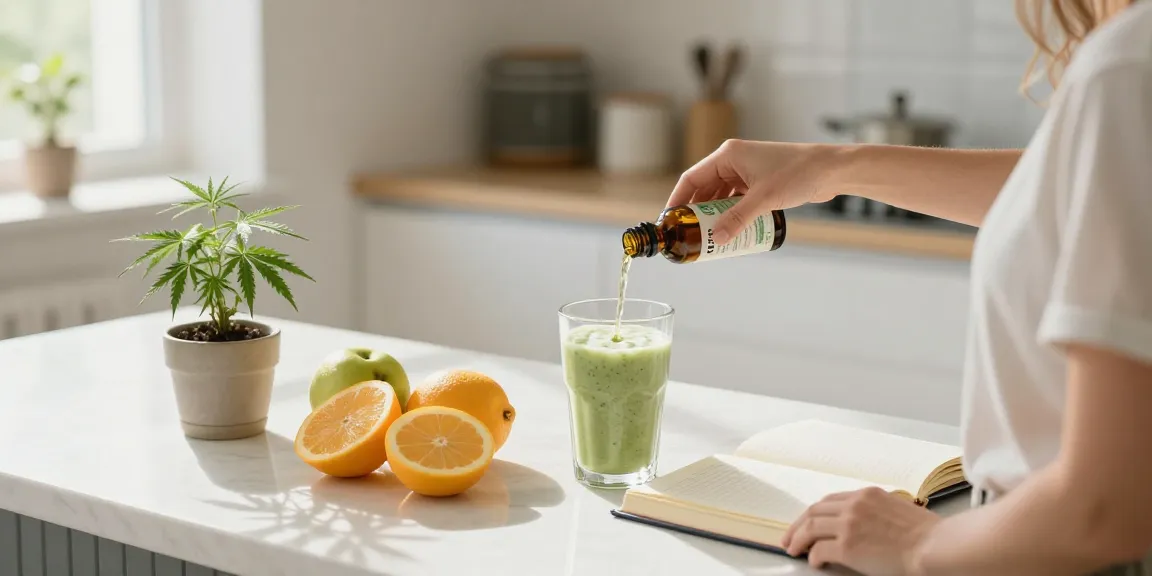
Understanding the Health Benefits of CBD Products
In recent years, the wellness industry has seen a significant surge in interest regarding CBD products. Cannabidiol, better known as CBD, is one of the primary cannabinoids found in the cannabis plant and has been recognized for its potential therapeutic benefits. As more individuals seek natural remedies to enhance their health and well-being, understanding the advantages of CBD is essential. With considerable research highlighting its potential effects, from reducing anxiety to offering anti-inflammatory properties, CBD products have become a focal point for those looking to improve their overall wellness. Furthermore, the emergence of services like top shelf flower delivery has made it easier than ever for consumers to access high-quality products conveniently.
What Are the Therapeutic Effects of CBD?
Research indicates that CBD may offer various therapeutic effects, primarily due to its interaction with the endocannabinoid system (ECS), which plays a crucial role in maintaining homeostasis in the body. Studies have shown its efficacy in managing conditions such as:
- Anxiety and Stress: CBD's anxiolytic properties may help decrease anxiety levels, providing comfort without the psychoactive effects associated with THC.
- Pain and Inflammation: Its anti-inflammatory effects can be beneficial for those suffering from chronic pain or conditions like arthritis.
- Sleep Disorders: Many users report improved sleep quality and reduced insomnia symptoms when using CBD products.
- Neuroprotective Properties: Emerging studies suggest potential benefits for neurodegenerative diseases such as Parkinson’s and Alzheimer’s.
How Can CBD Improve Overall Wellness?
Integrating CBD into daily wellness routines may enhance overall quality of life. People often utilize CBD to promote relaxation, focus, or relief from various physical ailments. As a versatile remedy, it’s available in numerous formats, including oils, edibles, and topicals, allowing individuals to select the most suitable option for their lifestyle. Additionally, ongoing research continues to explore its broader applications aimed at supporting mental and physical health.
Common Misconceptions About CBD and Health
Despite its popularity, numerous misconceptions surround CBD. Many people incorrectly believe that CBD is intoxicating or addictive, similar to THC. However, CBD is non-psychoactive, meaning it does not produce a "high." Additionally, the quality and source of CBD products can significantly impact their effectiveness, making it crucial for consumers to choose reputable suppliers.
Exploring Different CBD Product Types and Formats
The diversity of CBD product types allows consumers to curate their experiences based on personal preferences and health objectives. Understanding these different formats can greatly influence the effectiveness of usage and user satisfaction, reinforcing the importance of sourcing from trusted dispensaries.
Oils, Edibles, and Topicals: What's Best for You?
With varying bioavailability and onset times, each type of CBD product has its own set of advantages:
- Oils and Tinctures: These are taken sublingually and have quick absorption rates, often allowing for precise dosage control.
- Edibles: Such as gummies and capsules, offer convenience but may take longer to kick in due to digestion, making their onset time slower.
- Topicals: Creams and balms are ideal for localized relief; they can help target specific areas without entering the bloodstream.
Vaping CBD: Pros and Cons
Vaping CBD has gained popularity due to its rapid onset effects and ease of use; however, it also presents unique considerations:
- Pros: Quick effects for those needing immediate relief; various flavors and formulations are available.
- Cons: Potential long-term health effects of inhalation; regulated CBD vape products are critical for safety.
The Rise of CBD Flower and Its Benefits
CBD flower is an unprocessed variant derived from the hemp plant, valued for its rich terpene profile and potential entourage effects. Users often report a more balanced experience with natural flower compared to concentrates. Smoking or vaporizing CBD flower offers high bioavailability, allowing cannabinoids and terpenes to absorb directly into the bloodstream.
Navigating CBD Dosage and Usage Guidelines
Determining the right CBD dosage can seem daunting, but several guidelines can help streamline the process. Understanding how to calculate dosages and recognizing individual factors can lead to more effective use.
How to Properly Calculate Your CBD Dose
Many experts recommend starting with a low dose and gradually increasing it, which is often referred to as the "start low and go slow" approach. Typically, consumers begin with a dosage of around 5-10 mg of CBD per day. Tracking effects over several days can assist in determining the ideal dosage.
Titration Methods for Effective Use
Titration involves adjusting your CBD intake based on the observed effects, which is a personalized approach well-suited for individual bodies and needs:
- Begin with a small, low-dose product and gradually increase.
- Maintain a consistent schedule to evaluate results accurately.
- Listen to your body and adapt as necessary.
Factors Affecting Individual CBD Response
Individual responses to CBD can vary significantly based on factors including:
- Body Weight: Larger individuals may require higher doses to feel effects compared to smaller individuals.
- Metabolism: Individual metabolic rates can influence how quickly CBD is processed.
- Product Type: The method of consumption significantly impacts how much CBD enters the bloodstream and how quickly.
Quality Indicators and Certification Standards
As the CBD market expands, ensuring product quality is essential for safety and effectiveness. Understanding quality indicators can aid consumers in making informed decisions.
What is a Certificate of Analysis (COA)?
A COA is a document from a third-party lab detailing the cannabinoid profile, potency levels, and the absence of harmful substances in the product. It serves as a critical quality assurance tool that consumers should always look for before purchasing CBD products.
Understanding Third-Party Testing
Third-party testing is vital in maintaining product transparency. Reputable brands utilize independent labs to verify the contents of their products and ensure they are free from contaminants such as pesticides, heavy metals, and solvents.
How to Choose High-Quality CBD Products
Choosing high-quality CBD products requires careful consideration. Look for:
- Clear labeling of ingredients and sourcing information.
- Access to a COA from an accredited laboratory.
- Positive reviews and reputation within the industry.
Legal Considerations and Compliance for CBD Use
The legal landscape surrounding CBD continues to evolve. Understanding current regulations is essential for consumers to remain informed and compliant.
The Evolving Legal Landscape in 2026
The 2018 Farm Bill legalized hemp-derived CBD federally, allowing states to formulate their regulations. As per federal guidelines, products must contain less than 0.3% THC. However, states may impose stricter laws affecting sales, possession, and use.
Differences Between CBD and THC: Legal Implications
CBD and THC have distinct legal standings, significantly influencing how each is marketed and sold. While CBD is generally permitted for both medicinal and recreational use at the federal level, THC remains classified as a controlled substance in many regions.
Staying Updated on Regulations for Safety
As laws can change rapidly, it is crucial for consumers to stay informed about local regulations and federal guidelines related to CBD products to ensure safe and legal usage.
What are the best practices for CBD storage?
To maintain the potency and quality of CBD products, it is recommended to store them in a cool, dark place, away from humidity. Sealing containers tightly can also help in preserving their freshness.
How can CBD interact with other medications?
CBD can affect the metabolism of certain medications, particularly those processed through the liver. Consultation with a healthcare professional before starting any CBD regimen is vital, especially for individuals on other medications.
What should I look for in organic CBD products?
Organic CBD products should be free from pesticides, herbicides, and genetically modified organisms (GMOs). For more information, nationwide online dispensary offers valuable insights. Look for certifications and transparent sourcing practices to ensure you are receiving a high-quality product.