
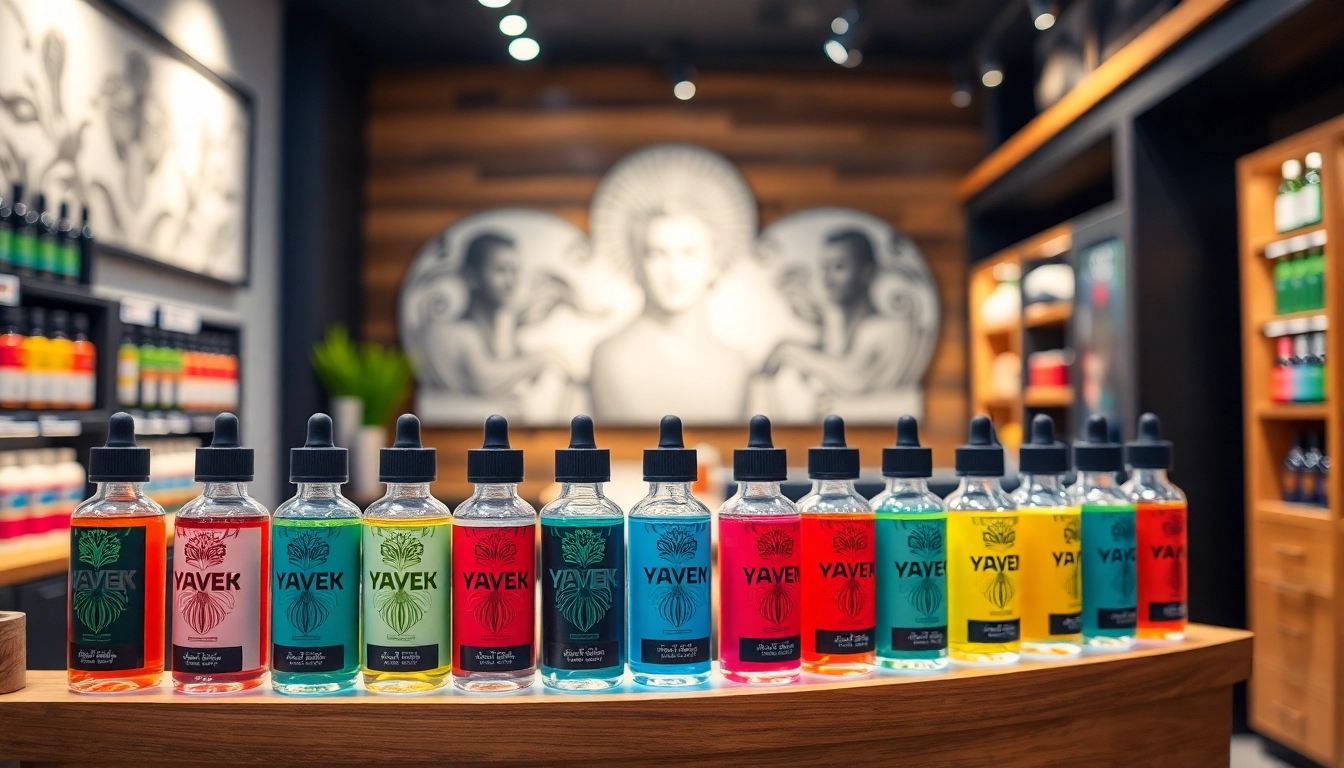
Understanding Vape & E-Liquids
What are Vape & E-Liquids?
Vape & E-Liquids are substances designed specifically for electronic cigarettes and vaporizers, serving as an alternative to traditional tobacco products. These liquids are vaporized and inhaled, often delivering a variety of flavors and nicotine levels tailored to the user's preference. Unlike traditional smoking, which involves combustion and a wide array of toxic chemicals, vaping is considered by many to be a less harmful option, given that it doesn’t produce tar or many of the other harmful byproducts of burning tobacco.
At their core, Vape & E-Liquids typically consist of a mixture of propylene glycol (PG), vegetable glycerin (VG), flavorings, and nicotine, although non-nicotine options are also widely available. Understanding these components is crucial for users to make informed choices about their vaping preferences.
Common Ingredients in Vape & E-Liquids
The ingredients used in Vape & E-Liquids are crucial in determining the overall quality and experience of vaping. Here are the most common components:
- Propylene Glycol (PG): A colorless, odorless liquid that is commonly used as a base in e-liquids. It is known for its ability to produce a throat hit similar to that of traditional cigarette smoking.
- Vegetable Glycerin (VG): A thicker, sweeter liquid that produces larger vapor clouds. VG is often chosen for its smoother taste and is particularly popular among those who prefer a sub-ohm vaping experience.
- Flavorings: These are food-grade flavor compounds that contribute to the taste of the vape liquid. The diversity of flavor options available today is vast, ranging from fruity and sweet to savory and even dessert-like.
- Nicotine: An optional stimulant that can be included in varying concentrations. Nicotine levels are typically available from 0mg (no nicotine) up to 36mg or more, allowing users to select their preferred strength.
Types of Vape & E-Liquids Available
Vape & E-Liquids can be categorized into several types based on their properties and intended use:
- Salt Nicotine E-Liquids: These liquids utilize nicotine salts, which provide a smoother throat hit and faster nicotine absorption, making them ideal for those transitioning from traditional smoking.
- Freebase Nicotine E-Liquids: The most common type of nicotine used in e-liquids. Freebase nicotine is often found in standard e-liquids and delivers a stronger throat hit.
- CBD E-Liquids: Infused with cannabidiol (CBD), these e-liquids offer potential therapeutic benefits without the psychoactive effects of THC. They are becoming increasingly popular among health-conscious users.
- DIY E-Liquids: For those who enjoy a hands-on approach, DIY e-liquids allow users to mix their own base, flavorings, and nicotine levels, catering to highly personalized preferences.
Choosing the Right Vape & E-Liquids for You
Flavor Profiles of Vape & E-Liquids
The flavor profile of a Vape & E-Liquid can significantly enhance the vaping experience. Users can choose from an extensive range of flavors, each appealing to different tastes:
- Fruity Flavors: Often sweet and enticing, fruity flavors are popular for their refreshing taste, including options like mango, strawberry, and watermelon.
- Dessert Flavors: These flavors bring the indulgence of desserts into the vaping medium, with options like vanilla custard, chocolate cake, and cheesecake.
- Menthol Flavors: Menthol options offer a cooling sensation, often preferred by former smokers. They are available as standalone menthol or blended with other flavors.
- Custom Blends: Many companies now offer custom blend options, allowing users to create their unique combination of flavors.
Assessing Nicotine Levels
Choosing the correct nicotine level is critical for an enjoyable vaping experience. Users should consider the following factors:
- Previous Smoking Habits: If you were a heavy smoker, you might prefer a higher nicotine level to satisfy cravings. Conversely, light smokers or non-smokers may opt for lower levels or none at all.
- Device Type: The type of device can also impact nicotine delivery. Higher-wattage devices often require lower nicotine concentrations to avoid overwhelming the user due to increased vapor production.
- Personal Preference: It is essential to try different levels to find a balance that satisfies without causing discomfort.
PG vs. VG in Vape & E-Liquids
A critical aspect of selecting Vape & E-Liquids involves understanding the composition of PG and VG:
- Propylene Glycol (PG): Offers a throat hit and enhances flavor, making it excellent for new vapers or those who enjoy a more traditional smoking sensation. However, some individuals may have sensitivities to PG.
- Vegetable Glycerin (VG): Provides a thicker vapor and is sweeter in taste. It's ideal for sub-ohm vaping and cloud chasing but has a lower flavor delivery compared to PG. Most users often find a balance between the two.
Health Considerations with Vape & E-Liquids
Potential Risks of Using Vape & E-Liquids
While vaping is generally considered less harmful than smoking, it is not entirely without risks. Potential health considerations include:
- Respiratory Issues: Some users experience throat irritation, cough, or allergic reactions to certain flavorings or base ingredients.
- Nicotine Dependency: High nicotine concentrations can lead to dependency, especially in individuals transitioning from traditional cigarettes.
- Lung Damage: There have been instances of severe lung injury tied to vaping (often due to black market products or illicit additives); thus, ensuring product quality is essential.
Understanding Regulation and Safety
The regulatory landscape surrounding Vape & E-Liquids is continually evolving as public health organizations seek to establish safe usage guidelines. Here are some essential aspects to consider:
- Regulatory Body Oversight: Ensure that the Vape & E-Liquids you purchase comply with safety standards set forth by relevant authorities.
- Quality Assurance: Choose products from reputable manufacturers who provide lab testing results, demonstrating ingredient purity and safety.
Comparing Vape & E-Liquids to Traditional Smoking
When comparing Vape & E-Liquids to traditional smoking, several points emerge:
- Lower Harm Profile: Vaping typically exposes users to far fewer toxic substances than traditional cigarettes.
- Customizable Experience: Users can tailor their vape experience with a variety of flavors, nicotine levels, and device types.
- Odor Reduction: Vaping generally produces less odor than traditional smoking, making it a more discreet option.
How to Properly Store and Handle Vape & E-Liquids
Storage Solutions for Vape & E-Liquids
To maintain the quality and longevity of your Vape & E-Liquids, proper storage is crucial. Here are some best practices:
- Avoid Direct Sunlight: Store liquids in a cool, dark place to prevent degradation of flavor and color.
- Use Airtight Containers: Ensure that bottles are tightly sealed to limit exposure to air, which can oxidize the flavors.
- Keep Away from Heat Sources: Avoid placing e-liquids near windows, heating ducts, or any hot areas.
Expiration and Quality Maintenance
Vegetable glycerin and propylene glycol have long shelf lives, but flavorings can degrade over time. It's wise to adhere to the following guidelines:
- Check Expiration Dates: Always keep track of the production date and recommended expiry of your e-liquids.
- Monitor Changes: If the color, consistency, or smell of an e-liquid changes significantly, it’s best to dispose of it to avoid potential health issues.
Safe Handling Practices for Vape & E-Liquids
When handling Vape & E-Liquids, exercise caution to ensure safety:
- Keep Out of Reach of Children: Always store e-liquids in child-proof containers and away from minors.
- Handle with Clean Hands: Prevent contamination by washing hands before handling e-liquids or devices.
- Dispose of Used Liquids Properly: Follow local regulations for hazardous waste disposal for unused or expired products.
The Future of Vape & E-Liquids: Trends and Innovations
Emerging Flavors and Formulations
The vaping industry is constantly evolving, with many innovative flavor profiles and formulations entering the market. Trends to watch include:
- Cultural Flavor Inspirations: Flavors drawing from global cuisines, such as chai, matcha, and more, are increasingly popular.
- Mocktail & Cocktail Inspired Flavors: Many new e-liquids embody the essence of popular drinks, catering to the adult demographic seeking unique experiences.
Technological Advances in Vape Devices
Technological innovations in devices are continuously enhancing the vaping experience. Key advancements include:
- Smart Devices: Many contemporary devices come equipped with smart technology for customizable temperature control and affinity checking.
- Pod Systems: Compact, user-friendly systems that allow for easy portability and refillable cartridges have become increasingly popular.
Market Trends in the Vape & E-Liquids Industry
The market for Vape & E-Liquids is experiencing rapid growth. Important trends shaping the industry include:
- Increased Demand for CBD Products: The rise in popularity of CBD has led to more options for infused e-liquids, targeting health-conscious consumers.
- Strict Regulations and Quality Control: As governments increasingly regulate the industry, manufacturers are focusing on quality assurance and transparency to compete in an evolving marketplace.