
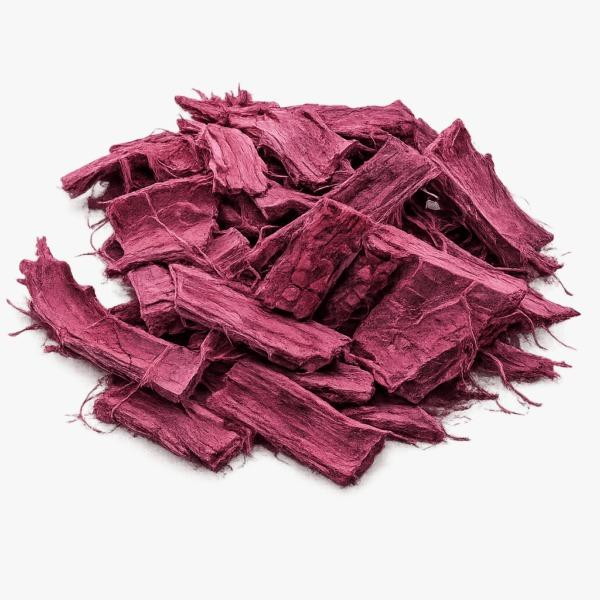
Mimosa Hostilis Root Bark, often abbreviated as MHRB, is a botanical material associated with the Mimosa hostilis tree, a plant native to parts of northeastern Brazil and surrounding regions. Discussions about MHRB for sale should consider more than availability, because traditional botanical knowledge, environmental stewardship, responsible harvesting, and legal requirements are all important. The phrase MHRB for sale can refer to commercially offered botanical material, but responsible sourcing should always emphasize conservation, accurate identification, and transparent origins. Anyone researching MHRB for sale should therefore understand the ecological and cultural context surrounding this plant.
Understanding Mimosa Hostilis
Mimosa hostilis is a resilient woody species belonging to the legume family. It occurs naturally in warm environments and is known for its ability to tolerate relatively dry conditions. Its bark and other plant parts have attracted attention within ethnobotanical and botanical research.
The term MHRB for sale generally describes commercial listings for root bark material rather than the living plant itself. However, the commercial value of botanical products can create additional pressure on natural populations when harvesting is poorly managed.
Botanical Characteristics
Mimosa hostilis can develop into a substantial shrub or small tree, depending on environmental conditions. It has compound leaves, characteristic flowers, thorny branches, and a developed root system.
Understanding these characteristics is important for responsible botanical identification. Accurate identification helps prevent the accidental collection of unrelated species and supports better conservation records.
Traditional Botanical Knowledge
Plants have long played roles in traditional knowledge systems across different regions. Local communities may possess detailed knowledge concerning native plants, seasonal cycles, ecological conditions, and traditional preparation practices.
When discussing MHRB for sale, it is important not to separate the plant from the people and environments associated with it. Traditional knowledge deserves respect, and commercial activity should avoid presenting cultural practices as simple commodities.
Respecting Ethnobotanical Heritage
Ethnobotany examines relationships between people and plants. Research into Mimosa hostilis can provide insight into traditional plant knowledge while also encouraging greater awareness of biodiversity.
Responsible commercial descriptions should distinguish historical or ethnobotanical information from scientifically established claims. This is particularly important when discussing products advertised as MHRB for sale, because marketing language can sometimes exaggerate traditional associations.
Conservation Challenges
Commercial demand can influence how wild botanical resources are collected. Root-based harvesting deserves particular attention because removing roots or excessive portions of root bark can negatively affect individual plants.
A responsible approach to MHRB for sale should therefore prioritize material obtained through documented and legally compliant supply chains. Suppliers should know whether their material originates from cultivated plants, managed collection areas, or other legitimate sources.
Protecting Wild Populations
Wild populations require time to regenerate. Excessive collection can reduce the number of mature plants and disturb soil and surrounding vegetation.
Conservation programs can help by monitoring plant populations, limiting collection pressure, protecting regeneration areas, and encouraging cultivation. These measures can make botanical commerce more compatible with long-term ecosystem health.
Sustainable Harvesting Principles
Sustainable harvesting is based on collecting natural resources without causing unacceptable ecological damage. For root bark, this principle is especially significant because harvesting can affect plant stability and regeneration.
Anyone evaluating MHRB for sale should consider whether the supplier provides meaningful information about origin and harvesting practices. A transparent supply chain is preferable to material with an unknown source.
Responsible Collection
Responsible collection begins with accurate species identification and an understanding of local environmental conditions. Collection should comply with land-access rules, environmental regulations, and applicable laws.
Harvesters should also avoid practices that unnecessarily destroy mature plants or damage surrounding habitats. Sustainable resource management focuses on maintaining healthy plant populations rather than maximizing short-term yields.
Cultivation and Conservation
Cultivation offers one potential way to reduce pressure on wild populations. Growing Mimosa hostilis under managed conditions can provide greater control over plant health, regeneration, and harvest timing.
Cultivated sources can also improve traceability. Producers may document planting locations, growing conditions, harvest periods, and processing procedures. These records can provide useful information for buyers researching MHRB for sale.
Benefits of Managed Cultivation
Managed cultivation may reduce dependence on unmanaged wild collection while creating opportunities for local agricultural production. It can also support consistent botanical identification and quality-control practices.
However, cultivation should not automatically be considered sustainable. Land conversion, excessive irrigation, soil degradation, and unsuitable agricultural practices can create environmental problems. Sustainable cultivation requires attention to the entire production system.
Traceability in Botanical Commerce
Traceability is an important component of responsible botanical sourcing. A transparent supplier should ideally be able to explain where material originated and how it moved through the supply chain.
For people encountering MHRB for sale online or through specialty botanical suppliers, information about geographic origin, botanical identity, handling, and applicable legal restrictions can be more useful than unsupported claims about quality.
Evaluating Supplier Transparency
Responsible suppliers should avoid misleading descriptions and should not make unverified environmental or cultural claims. Clear product labeling and honest documentation can help distinguish responsible botanical commerce from poorly documented sourcing.
When evaluating MHRB for sale, consumers should also consider whether the supplier explains its approach to conservation and responsible procurement.
Community Participation and Ethical Sourcing
Conservation is not limited to protecting plants. People living near natural habitats can play an important role in protecting biodiversity.
Community-based conservation can create incentives for maintaining healthy ecosystems while providing legitimate economic opportunities. Fair relationships with local producers and land managers can encourage long-term stewardship.
Discussions surrounding MHRB for sale should therefore consider social responsibility alongside environmental sustainability. Ethical sourcing means respecting local communities, legal frameworks, land rights, and traditional knowledge.
Legal and Responsible Research
Botanical materials can be subject to different laws depending on the country, region, and intended use. Regulations may address harvesting, importation, exportation, possession, labeling, or commercial distribution.
Anyone researching MHRB for sale should independently verify the laws applicable to their location and intended activity. Commercial availability does not necessarily mean that every use or transaction is lawful everywhere.
Researchers should also distinguish botanical research from activities involving extraction or concentration of regulated compounds. Responsible botanical education should remain focused on lawful scientific, cultural, ecological, and conservation contexts.
Conservation Through Education
Education can contribute significantly to plant conservation. When consumers understand where botanical materials originate and how harvesting affects ecosystems, they are better positioned to support responsible suppliers.
Educational resources about MHRB for sale should therefore include information about habitat protection, plant identification, sustainable sourcing, and legal considerations rather than focusing solely on commercial availability.
Supporting Biodiversity Awareness
Greater awareness of native plants can encourage habitat restoration and responsible land management. Conservation organizations, researchers, local communities, and ethical businesses can all contribute to better understanding of Mimosa hostilis.
Long-term conservation depends on maintaining healthy ecosystems, protecting regeneration, and reducing incentives for destructive harvesting.
Frequently Asked Questions
1. What is Mimosa Hostilis Root Bark?
Mimosa Hostilis Root Bark is botanical material derived from the root bark of Mimosa hostilis. It is associated with ethnobotanical research, traditional plant knowledge, and botanical studies.
2. What should I consider when researching MHRB for sale?
Consider botanical identification, geographic origin, harvesting or cultivation practices, traceability, environmental responsibility, and the laws applicable to your location. Commercial listings should not be treated as proof that every intended use is legal.
3. Is wild harvesting sustainable?
Wild harvesting can place pressure on natural populations, particularly when roots are involved. Sustainability depends on local population health, collection limits, regeneration rates, habitat conditions, and effective monitoring.
4. Can cultivation help conservation?
Yes. Properly managed cultivation can reduce pressure on wild populations and improve traceability. Sustainable cultivation should still address soil health, water use, biodiversity, and responsible land management.
5. Why is conservation important when discussing MHRB for sale?
Conservation helps ensure that botanical resources and their ecosystems remain healthy over the long term. Responsible sourcing connects commercial activity with habitat protection, ethical procurement, transparent supply chains, and respect for local communities.
Conclusion
Mimosa Hostilis Root Bark has a complex relationship with botanical research, traditional knowledge, commerce, and environmental conservation. Conversations about MHRB for sale should therefore go beyond price and availability and consider where the material originates and how it was obtained.
Sustainable harvesting, managed cultivation, transparent supply chains, community participation, and accurate botanical education can all contribute to better stewardship. Anyone researching MHRB for sale should approach the subject with respect for biodiversity, cultural heritage, and applicable laws. By emphasizing responsible sourcing rather than short-term demand, botanical commerce can become more compatible with conservation and long-term environmental protection.