
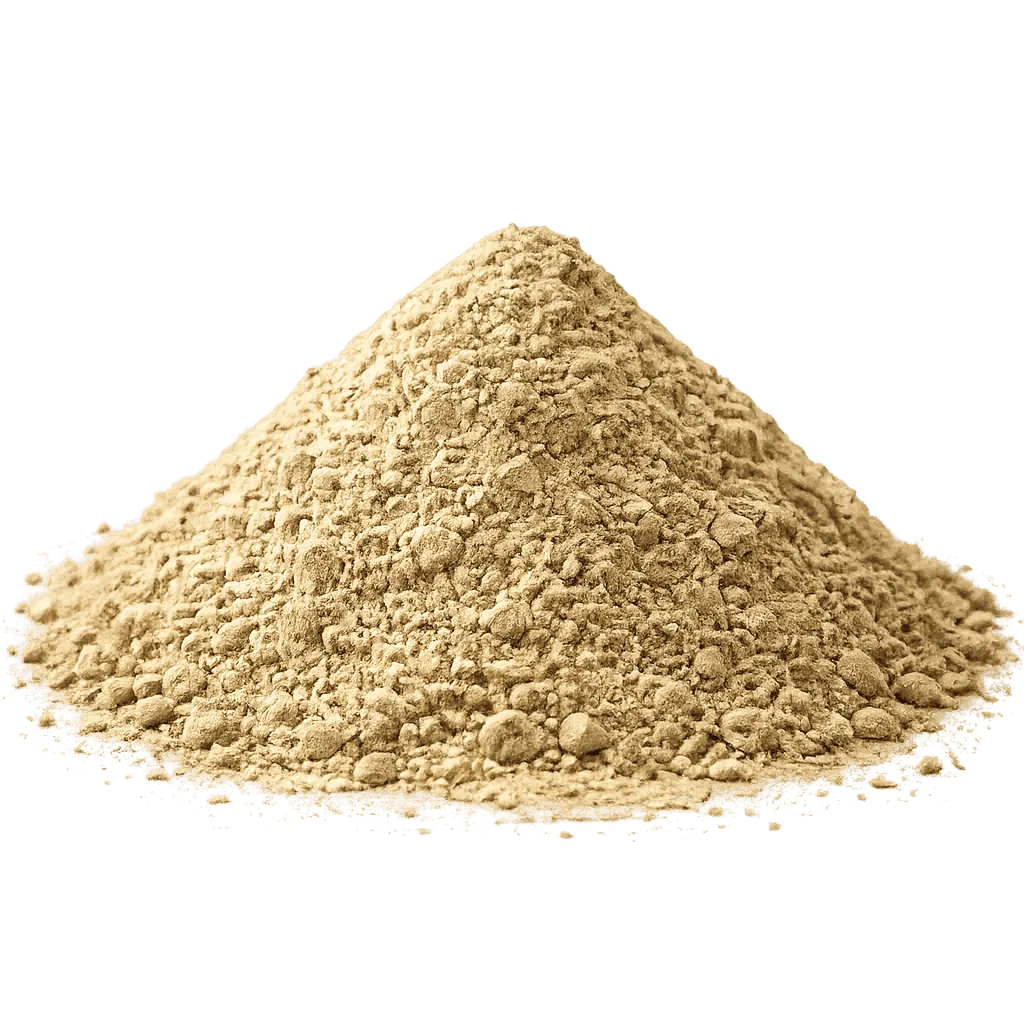
Understanding San Pedro Powder as a Botanical Specimen
San Pedro powder is a finely ground botanical material derived from the columnar cactus commonly known as San Pedro, a plant associated with the Andean regions of South America. In botanical and ethnobotanical contexts, this material can be examined as a processed plant specimen that provides opportunities to learn about traditional plant knowledge, regional biodiversity, and historical relationships between people and plants. When presented strictly as an educational reference, the emphasis remains on botanical identification, cultural history, responsible sourcing, and preservation of knowledge.
The transformation of plant material into a powdered form changes its physical appearance while retaining characteristics associated with the original botanical specimen. Researchers, students, collectors, and educators may find powdered specimens useful when studying plant morphology, traditional processing methods, or the ways botanical materials have been documented across different cultures. Proper labeling and responsible documentation are important for maintaining the educational value of such material.
Botanical Background of the San Pedro Cactus
The San Pedro cactus belongs to a group of columnar cacti native to parts of the Andes. These plants are adapted to challenging environments and can develop tall, ribbed stems with distinctive growth patterns. Their ability to tolerate particular climatic conditions has contributed to their long-standing presence in regional landscapes.
From an ethnobotanical perspective, San Pedro has a particularly notable history. Indigenous communities in the Andes have maintained extensive knowledge of local plants for generations, including information concerning cultivation, identification, cultural significance, and traditional uses. Studying this history requires respect for the communities and traditions that have preserved botanical knowledge over centuries.
Processing and Physical Characteristics
San Pedro powderis produced by reducing dried botanical material into a fine or coarse powder. The resulting texture can vary depending on how the original plant material was dried and processed. Color may range from greenish to muted earthy shades, while aroma and particle size can also differ between specimens.
For educational reference purposes, the physical characteristics of a botanical powder can be documented without attempting to infer its chemical composition solely from appearance. Scientific identification is better supported through appropriate botanical records, authenticated source information, and laboratory analysis where necessary. This distinction is important because visual characteristics alone cannot reliably establish the identity or composition of a processed plant specimen.
Ethnobotanical Importance and Cultural History
The cultural history surrounding San Pedro extends well beyond the physical plant itself. Archaeological and anthropological research has documented relationships between Andean societies and various medicinal, ceremonial, agricultural, and ecological plants. San Pedro is part of this broader tradition of human interaction with native flora.
Studying San Pedro powder from an ethnobotanical perspective can therefore involve examining traditional ecological knowledge, historical documentation, regional plant diversity, and changing attitudes toward botanical resources. Such research can encourage greater appreciation for the cultural contexts in which plants have been understood and preserved.
Responsible Botanical Sourcing
Responsible sourcing is an important consideration when acquiring botanical specimens. Ethical suppliers should provide clear information about the botanical identity, geographic origin, processing method, and applicable legal requirements. Traceability helps researchers and educators understand where a specimen originated and provides greater confidence in its authenticity.
Sustainable sourcing is also connected to conservation. Wild harvesting can place pressure on native plant populations when conducted without appropriate controls. Cultivated botanical material may provide an alternative approach where legally and environmentally appropriate. Buyers interested in San Pedro powder for educational purposes should consider whether the material has been obtained through responsible cultivation or harvesting practices.
Educational Applications of Botanical Powder
A botanical powder can serve several educational purposes when handled within appropriate legal and institutional frameworks. Students of ethnobotany may examine how plant materials are documented and classified, while researchers can investigate historical descriptions, regional biodiversity, and traditional ecological knowledge.
Museums, educational collections, and botanical research projects may also use processed specimens as examples of how plants can be preserved or prepared for reference. Proper labeling should distinguish the common name from the scientific classification and should include available information about geographic origin, processing, and date of acquisition.
Storage and Preservation Considerations
Preserving a powdered botanical specimen requires attention to environmental conditions. Excessive humidity can affect dried plant materials, while heat, light, and contamination may gradually reduce specimen quality. Appropriate sealed storage and clear labeling can help maintain the material as a reference specimen.
Educational collections should also maintain records describing how and when a specimen was obtained. Keeping such information with the material supports future research and reduces uncertainty regarding provenance. If laboratory analysis is conducted, test documentation can be stored alongside the specimen record.
Legal and Safety Considerations
Regulations concerning San Pedro and materials derived from it vary considerably between jurisdictions. Some locations regulate particular compounds or preparations associated with certain cactus species, while others apply different rules to ornamental or botanical specimens. Anyone handling, transporting, purchasing, or studying such material should verify the laws that apply in their jurisdiction.
For educational writing and research, it is useful to distinguish botanical documentation from instructions concerning preparation or consumption. A responsible reference focuses on plant identification, cultural history, conservation, provenance, and scientific study rather than providing directions for producing psychoactive preparations.
The Value of Ethnobotanical Documentation
Ethnobotany demonstrates how botanical science can intersect with anthropology, history, ecology, and cultural studies. San Pedro provides an especially interesting example because its history involves native Andean biodiversity and longstanding cultural knowledge. Documenting this relationship can help preserve information that might otherwise be lost as landscapes, agricultural practices, and communities change.
San Pedro powder can consequently be viewed as one form of processed botanical specimen within a larger educational framework. Its value for reference work depends not simply on the physical material but also on accurate identification, reliable provenance, responsible documentation, and respect for cultural heritage.
Frequently Asked Questions
What is San Pedro powder?
San Pedro powder refers to finely ground dried material derived from San Pedro cactus. In an educational context, it can be considered a processed botanical specimen for studying plant history, ethnobotany, and regional biodiversity.
Why is San Pedro important in ethnobotany?
San Pedro has a long history of association with Andean cultures and traditional plant knowledge. Its study can provide insight into relationships between indigenous communities, local ecosystems, and culturally significant botanical resources.
How should a botanical specimen be documented?
A specimen should ideally have information about its botanical identity, geographic origin, acquisition date, processing method, and source. Additional laboratory documentation may be useful when scientific authentication is required.
Is San Pedro regulated everywhere?
No. Laws differ between countries, states, and regions. Some jurisdictions regulate particular substances associated with certain cactus species, so local laws should always be checked before acquiring, possessing, transporting, or studying botanical material.
Can San Pedro powder be used for educational research?
It may be used as a botanical or ethnobotanical reference where permitted by applicable laws and institutional policies. Educational research can focus on taxonomy, cultural history, conservation, provenance, and traditional ecological knowledge without involving preparation or consumption.
Why is sustainable sourcing important?
Sustainable sourcing helps reduce unnecessary pressure on wild plant populations and encourages responsible stewardship of botanical resources. Clear provenance and cultivation information can also improve the reliability of educational collections.